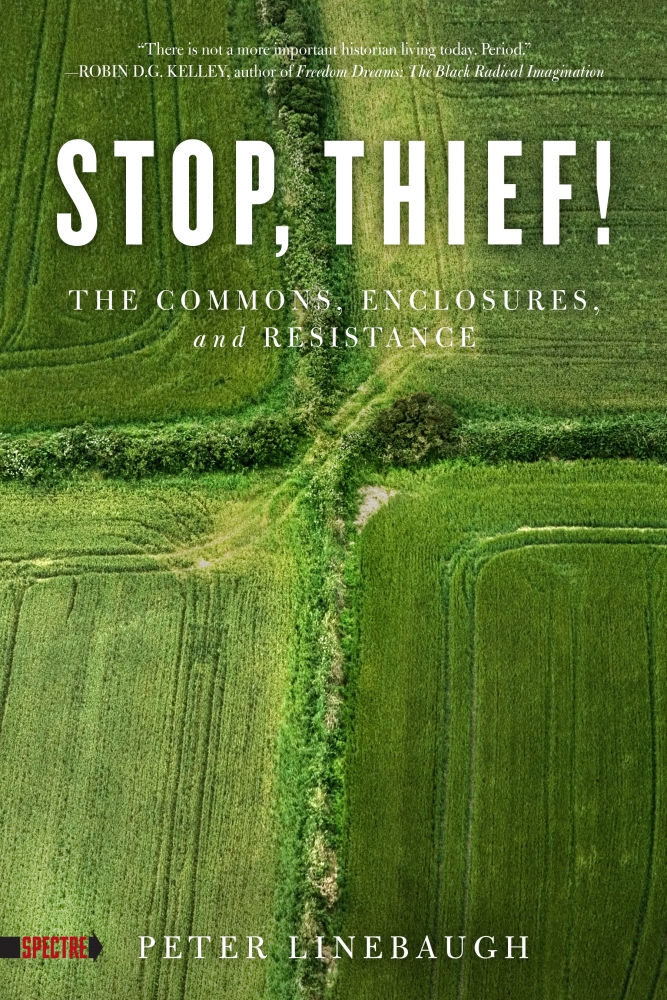
Stop, Thief!: The Commons, Enclosures, and Resistance
Please select all options before adding to cart.
In this majestic tour de force, celebrated historian Peter Linebaugh takes aim at the thieves of land, the polluters of the seas, the ravagers of the forests, the despoilers of rivers, and the removers of mountaintops. Scarcely a society has existed on the face of the earth that has not had commoning at its heart. “Neither the state nor the market,” say the planetary commoners. These essays kindle the embers of memory to ignite our future commons.
From Thomas Paine to the Luddites, from Karl Marx—who concluded his great study of capitalism with the enclosure of commons—to the practical dreamer William Morris—who made communism into a verb and advocated communizing industry and agriculture—to the 20th-century communist historian E.P. Thompson, Linebaugh brings to life the vital commonist tradition. He traces the red thread from the great revolt of commoners in 1381 to the enclosures of Ireland, and the American commons, where European immigrants who had been expelled from their commons met the immense commons of the native peoples and the underground African-American urban commons. Illuminating these struggles in this indispensable collection, Linebaugh reignites the ancient cry, “STOP, THIEF!”
Praise:
“There is not a more important historian living today. Period.”
—Robin D.G. Kelley, author of Freedom Dreams: The Black Radical Imagination
“E.P. Thompson, you may rest now. Linebaugh restores the dignity of the despised luddites with a poetic grace worthy of the master… [A] commonist manifesto for the 21st century.”
—Mike Davis, author of Planet of Slums
“Peter Linebaugh’s great act of historical imagination… takes the cliché of ‘globalization’ and makes it live. The local and the global are once again shown to be inseparable—as they are, at present, for the machine-breakers of the new world crisis.”
—T.J. Clark, author of Farewell to an Idea
About Peter Linebaugh:
Peter Linebaugh is a child of empire, schooled in London, Cattaraugus (NY), Washington, D.C., Bonn, and Karachi. He went to Swarthmore College during the civil rights days. He has taught at Harvard University and Attica Penitentiary, at New York University and the Federal Penitentiary in Marion, Illinois. He used to edit Zerowork and was a member of the Midnight Notes Collective. He coauthored Albion’s Fatal Tree, and is the author of The London Hanged, The Many-Headed Hydra (with Marcus Rediker), The Magna Carta Manifesto, and introductions to Verso’s selection of Thomas Paine’s writings and PM’s new edition of E.P. Thompson’s William Morris: Romantic to Revolutionary. He lives in the region of the Great Lakes and works at the University of Toledo in Ohio.
See and hear author interviews, book reviews, and other news on Peter Linebaugh’s page HERE
You May Also Like
Between Earth and Empire: From the Necrocene to the Beloved Community
Between Earth and Empire explores specific examples to present a vision of hope for social and ecological regeneration.
Catastrophism: The Apocalyptic Politics of Collapse and Rebirth
Catastrophism explores the politics of apocalypse and examines why the lens of catastrophe can distort our understanding and impede our ability to transform the world.
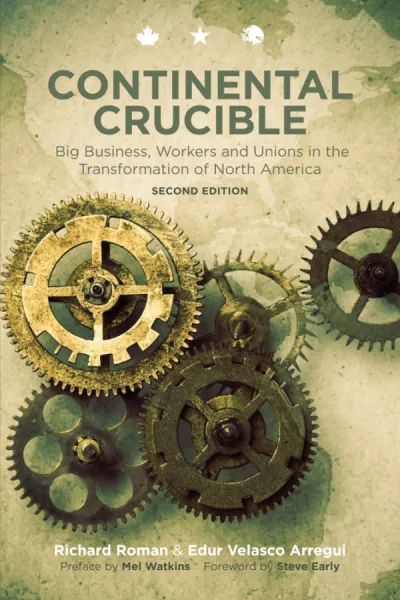
Continental Crucible: Big Business, Workers and Unions in the Transformation of North America, Second Edition
Continental Crucible examines the clash between the corporate offensive and the forces of resistance from both a pan-continental and a class struggle perspective.
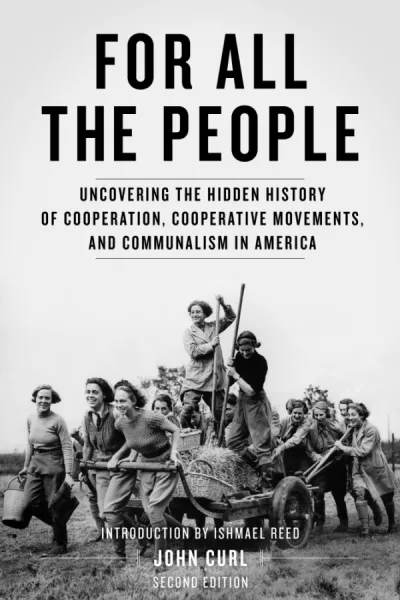
For All the People: Uncovering the Hidden History of Cooperation, Cooperative Movements, and Communalism in America, 2nd Edition
Seeking to reclaim a history that has remained largely ignored by most historians, this dramatic and stirring account examines American cooperative movements for social change that have been all but erased from collective memory.
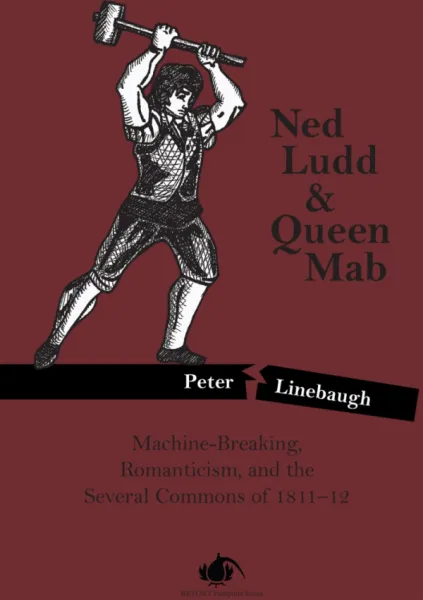
Ned Ludd & Queen Mab: Machine-Breaking, Romanticism, and the Several Commons of 1811–12
Linebaugh enlists the anonymous and scorned 19th century loom-breakers of the English midlands into the front ranks of an international crew of commoners resisting dispossession in the dawn of capitalist modernity.
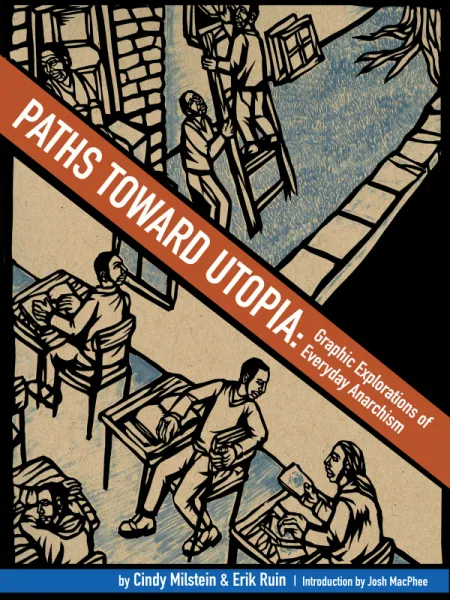
Paths toward Utopia: Graphic Explorations of Everyday Anarchism
Consisting of intricate yet bold paper-cut and scratch-board picture-essays that weave poetic words suggesting some of the here-and-now practices that prefigure the self-organization in an egalitarian society.
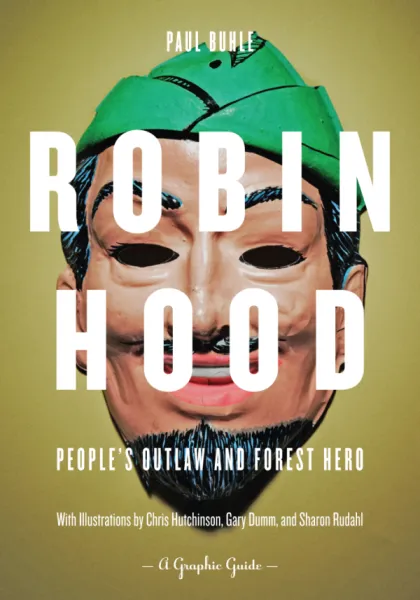
Robin Hood: People's Outlaw and Forest Hero, A Graphic Guide
Paul Buhle brings a new dimension to Robin Hood, helping to explain why an outlaw from the 14th Century is still a left wing hero today.
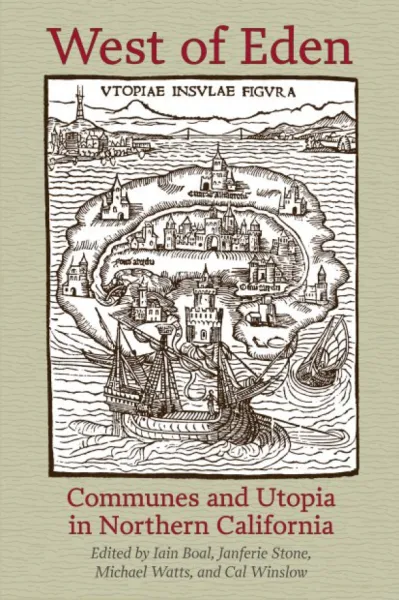
West of Eden: Communes and Utopia in Northern California
Explores the roots and legacies of the pulse of radical energies that generated forms of collective life beyond the nuclear family and the world of private consumption.
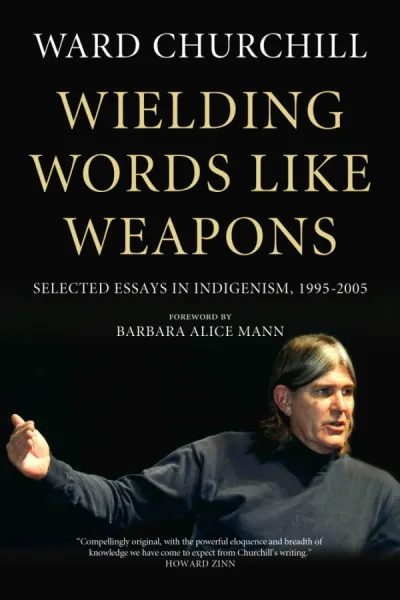
Wielding Words like Weapons: Selected Essays in Indigenism, 1995-2005
Wielding Words like Weapons is a collection of acclaimed American Indian Movement activist-intellectual Ward Churchill’s essays in indigenism, selected from material written during the decade 1995–2005.
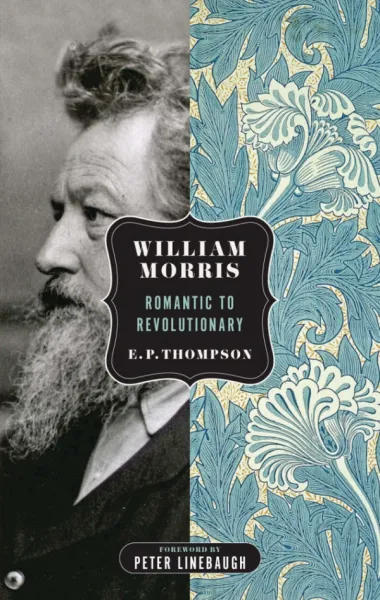
William Morris: Romantic to Revolutionary
Two impressive figures, William Morris as subject and E.P. Thompson as author, are conjoined in this immense biographical-historical-critical study.