
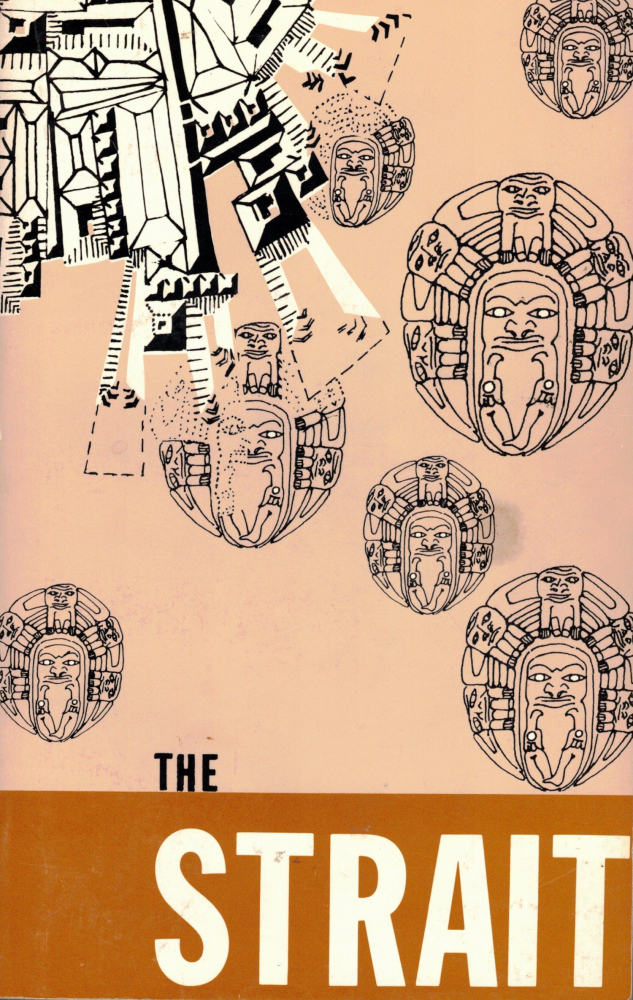
The Strait: Obenabi’s Songs
Obenabi, the narrator, sings the story of his people confronting the European Invader. The tales are personal, emerging from the remembered experiences of his grandmothers. These dramas of conflict, commerce, domestication, heroism, exchange and love are set in the Great Lakes region of North America. Most take place in splendid natural surroundings within walking distance of the Strait (now Detroit, Michigan).
Perman's posthumous novel is a wide-ranging imaginative account of history. Narrator Obenabi records in 1840 the histories of his ancient and recent grandmothers. Set in the North American woodlands, these tales begin before the Invader's arrival and trace how his Progress imposed - both insidiously and brutally - devastation on Obenabi's kin.
You May Also Like

500 Years of Indigenous Resistance
This slim volume chronicles the resistance by Indigenous peoples, which limited and shaped the forms and extent of colonialism.
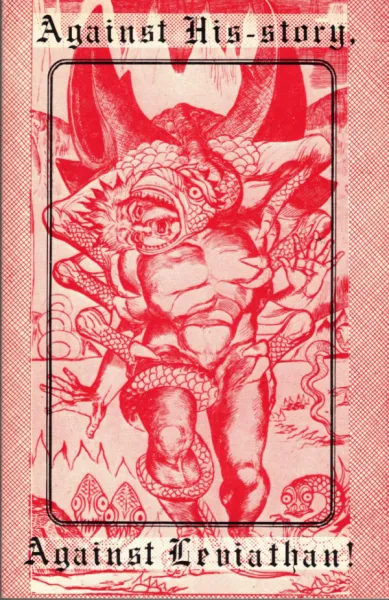
Against His-Story, Against Leviathan (Black & Red)
Perlman's major work, a vast study of the rise of totalitarian lifestyles and a profound affirmation of the struggle to reassert human values.

Having Little, Being Much: A Chronicle of Fredy Perlman's Fifty Years
A memoir with photos written by Fredy’s companion of 27 years.
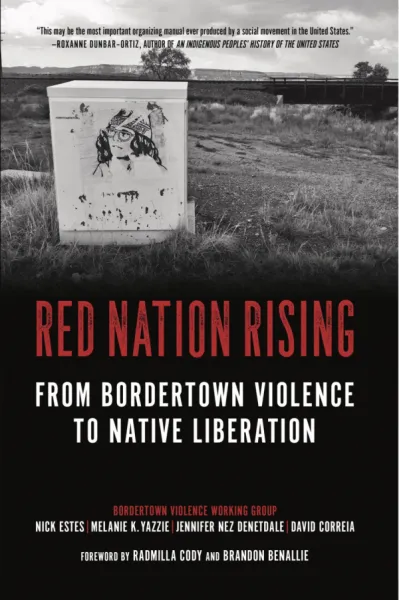
Red Nation Rising: From Bordertown Violence to Native Liberation

The Mohawk Warrior Society: A Handbook on Sovereignty and Survival
This book is a readable and challenging collection for anyone interested in post-1968 indigenous resistance in North America.

Wielding Words like Weapons: Selected Essays in Indigenism, 1995-2005
Wielding Words like Weapons is a collection of acclaimed American Indian Movement activist-intellectual Ward Churchill’s essays in indigenism, selected from material written during the decade 1995–2005.
Recently Viewed
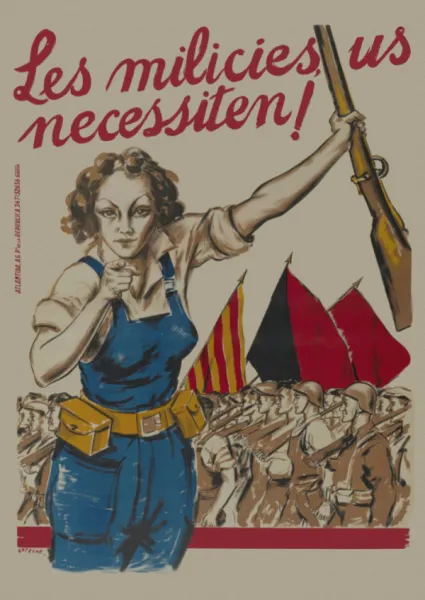
Poster - Les Milicies us Necessiten!
Challenging Ideas on Human-Nonhuman Relations (A6)
This pocketbook discusses the importance of transforming ideas on human-nonhuman relations and why nonhuman animals are worthy of moral consideration based on their ability to suffer.