
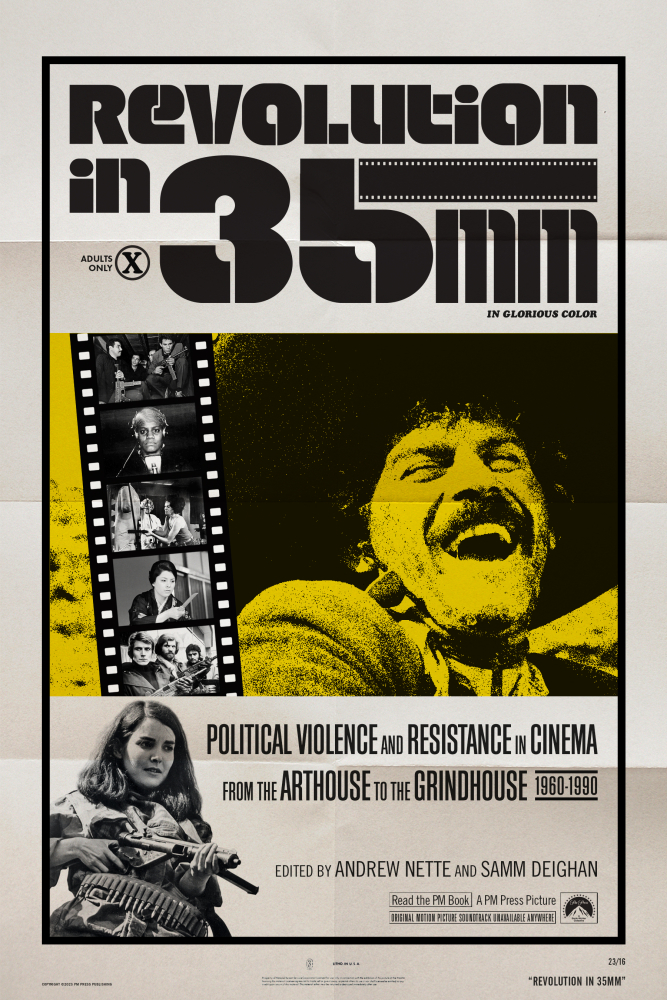
Revolution in 35mm: Political Violence and Resistance in Cinema from the Arthouse to the Grindhouse, 1960–1990
Please select all options before adding to cart.
Revolution in 35mm: Political Violence and Resistance in Cinema from the Arthouse to the Grindhouse, 1960–1990 examines how political violence and resistance was represented in arthouse and cult films from 1960 to 1990.
This historical period spans the Algerian war of independence and the early wave of postcolonial struggles that reshaped the Global South, through the collapse of Soviet Communism in the late 1980s. It focuses on films related to the rise of protest movements by students, workers, and leftist groups, as well as broader countercultural movements, Black Power, the rise of feminism, and so on. The book also includes films that explore the splinter groups that engaged in violent, urban guerrilla struggles throughout the 1970s and 1980s, as the promise of widespread radical social transformation failed to materialize: the Weathermen and the Black Liberation Army in the United States, the Red Army Faction in West Germany and Japan, and Italy’s Red Brigades. Many of these movements were deeply connected to culture, including cinema, and they expressed their values through it.
Twelve authors, including film critics and academics, deliver a diverse examination of how filmmakers around the world reacted to the political violence and resistance movements of the period and how this was expressed on screen. This includes looking at the production, distribution, and screening of these films, audience and critical reaction, the attempted censorship or suppression of much of this work, and how directors and producers eluded these restrictions.
Including over two hundred illustrations, the book examines filmmaking movements like the French, Japanese, German, and Yugoslavian New Waves; subgenres like spaghetti westerns, Italian poliziotteschi, Blaxploitation, and mondo movies; and films that reflect the values of specific movements, including feminists, Vietnam War protesters, and Black militants. The work of influential and well-known political filmmakers such as Costa-Gavras, Gillo Pontecorvo, and Glauber Rocha is examined alongside grindhouse cinema and lesser-known titles by a host of all-but-forgotten filmmakers, including many from the Global South that deserve to be rediscovered.
Praise
“Andrew Nette, Samm Deighan, and their boisterous band of noteworthy collaborators serve up an impressive, breathlessly globetrotting tour of Cold War–era left-wing cinemas of resistance in this beautiful volume. Movie lovers will find a new trove of treasures to screen; film aficionados will dive into the debates stimulated by these provocative contributions.”
—Jonathan Kirshner, author of Hollywood’s Last Golden Age
“Navigating the rivers of blood between exploitation films, revolutionary cinema, and beyond, this is a vital, lively, necessary book for anyone interested in cinema, politics, or both. Nette and Deighan seem to have seen everything, and they make connections that change and deepen our understanding of the moving image, the moving world.”
—Howard A. Rodman, former president of Writers Guild of America West
“Revolution in 35mm is a fantastic collection of essays, as vital and compelling as the films they analyze. The authors engage in the cinema of the time mindful of the context but also underline the relevance of the work today. Highly recommended.”
—John Bleasdale, host of the podcast Writers on Film
“The writing in Revolution in 35MM not only conveys a wholehearted enthusiasm for a diverse cross-section of cinema from around the world, but thoughtfully considers the socio-political conditions these films were aiming to challenge. An invaluable blend of cultural history and film critique, the book is a celebration of iconoclasts who channeled righteous anger into all manner of ‘political cinema,’ whether by attacking issues directly or covertly smuggling topical themes into popular genre fare. Even the most seasoned cinephile will come away with dozens of unfamiliar titles to seek out.”
—Bill Ackerman, host of the podcast Supporting Characters
About the Editors
Andrew Nette is an author of fiction and nonfiction. He is coeditor of three previous books for PM Press, Girl Gangs, Biker Boys, and Real Cool Cats: Pulp Fiction and Youth Culture, 1950 to 1980; Sticking It to the Man: Revolution and Counterculture in Pulp and Popular Fiction, 1950 to 1980; and Dangerous Visions and New Worlds: Radical Science Fiction, 1950 to 1985. His writing on film, books, and culture has appeared in a variety of print and online publications. He has also contributed video and print essays and commentaries to a number of DVD/Blu-ray releases. He writes a regular newsletter under his name on Substack.
Samm Deighan is a film historian and the author or editor of several books, including of The Legacy of WWII in European Art House Cinema (2021) and a monograph on Fritz Lang’s M (2019). She’s a special features producer for Vinegar Syndrome and cohosts the Twitch of the Death Nerve podcast.
You May Also Like
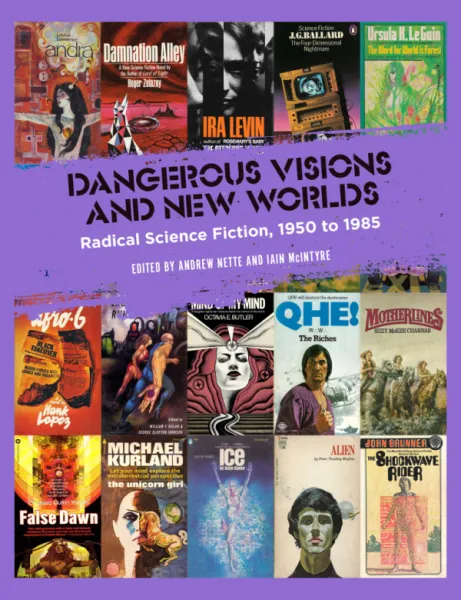
Dangerous Visions and New Worlds: Radical Science Fiction, 1950 to 1985
Details, celebrates, and evaluates how science fiction novels and authors depicted, interacted with, and were inspired by these cultural and political movements in America and Great Britain.
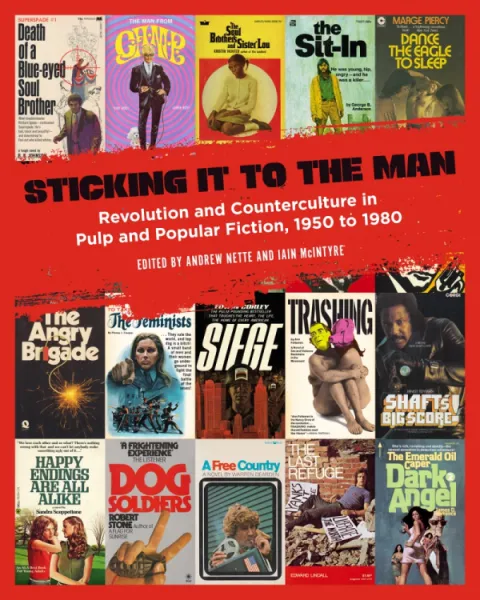
Sticking It to the Man: Revolution and Counterculture in Pulp and Popular Fiction, 1950 to 1980
This book tracks the changing politics and culture of the period and how it was reflected in pulp and popular fiction in the US, UK, and Australia from the 1950s, ’60s, and ’70s.
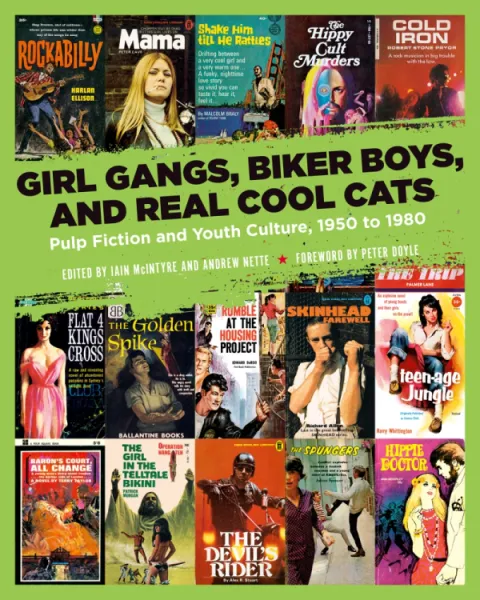
Girl Gangs, Biker Boys, and Real Cool Cats: Pulp Fiction and Youth Culture, 1950 to 1980
The first comprehensive account of how the rise of postwar youth culture was depicted in mass-market pulp fiction.
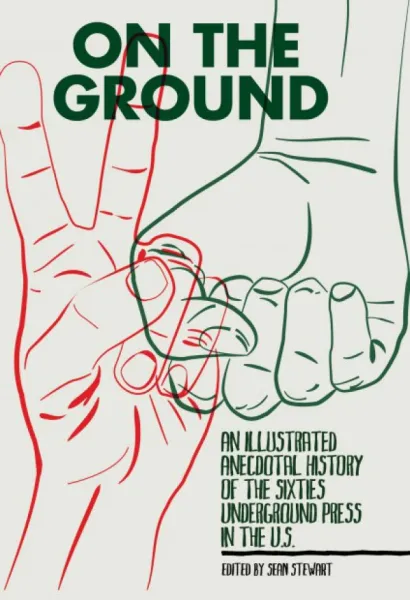
On the Ground: An Illustrated Anecdotal History of the Sixties Underground Press in the U.S.
In four short years (1965–1969), the U.S. underground press grew from five small newspapers to over 500 newspapers. Completely circumventing (and subverting) the establishment media.
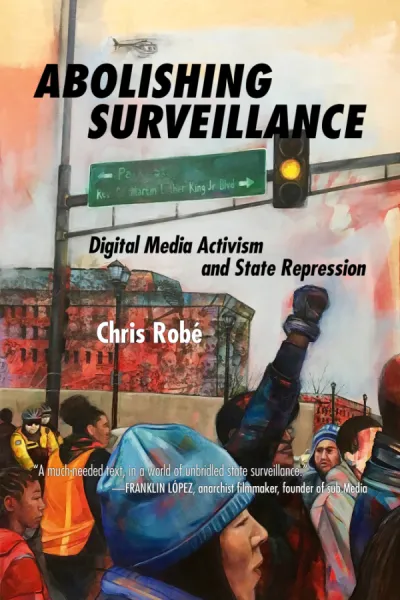
Abolishing Surveillance: Digital Media Activism and State Repression
The first in-depth study of how various communities and activist organizations are resisting such efforts by integrating digital media activism into their actions against state surveillance and repression and for a better world.
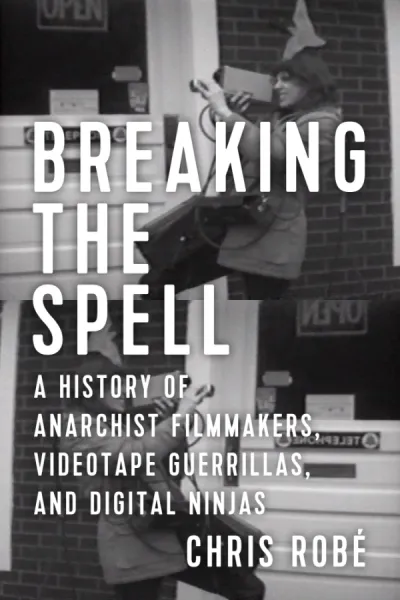
Breaking the Spell: A History of Anarchist Filmmakers, Videotape Guerrillas, and Digital Ninjas
Breaking the Spell offers the first full-length study that charts the historical trajectory of anarchist-inflected video activism from the late 1960s to the present.
Recently Viewed
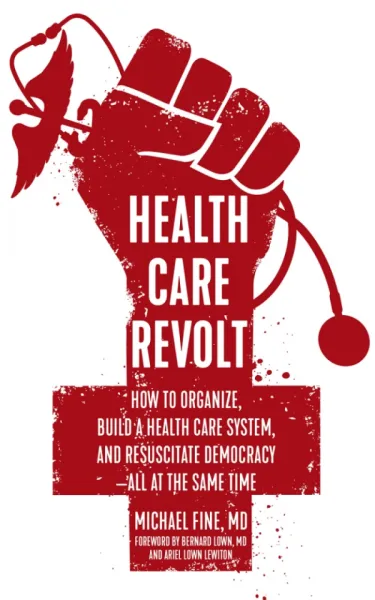
Health Care Revolt: How to Organize, Build a Health Care System, and Resuscitate Democracy—All at the Same Time
This book searches for examples of systems that are effective and affordable, pictures such a system for the U.S., and creates a practical playbook for a revolution in care.
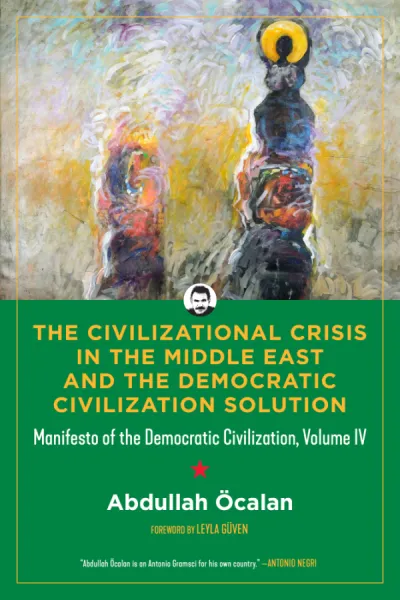
The Civilizational Crisis in the Middle East and the Democratic Civilization Solution: Manifesto of the Democratic Civilization, volume IV
The global crisis of civilization is nowhere more visible than in the Middle East.