
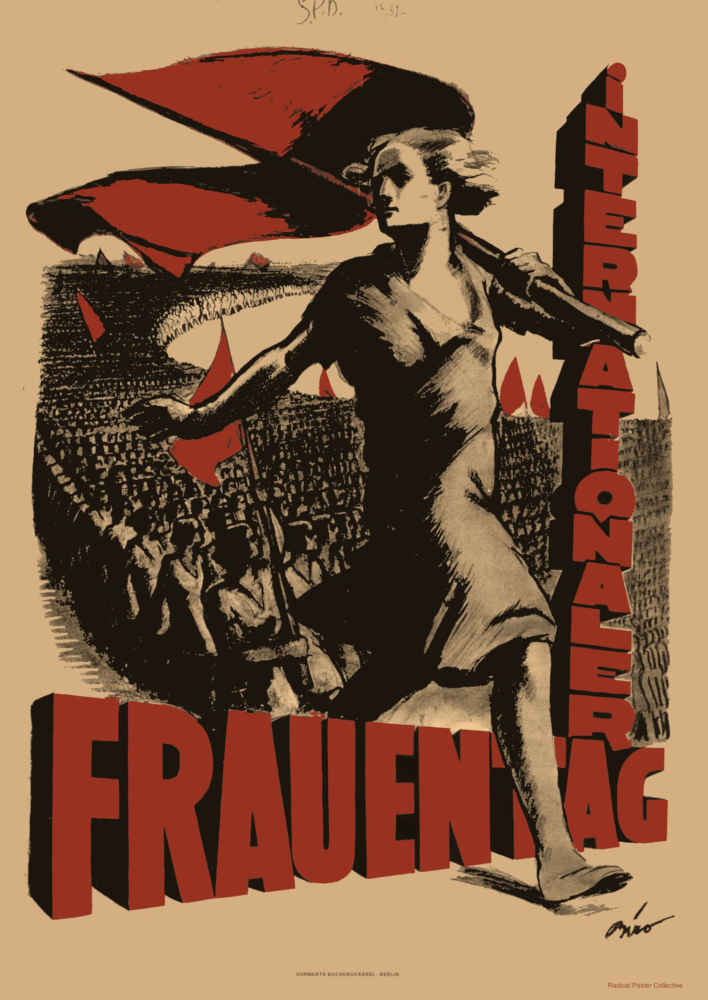
Poster - Internationaler Frauentag (International Women's Day)
International Women's Day by Mihaly Biro, 1925.
The first recorded Women's Day was in New York on 28 February 1909, organised by the Socialist Party of America, and was primarily focused on the right to vote. On 11 March 1911 over a million people across Europe marched on the first International Women's Day. On 8 March 1917 a demonstration of women textile workers in St Petersburg was the spark that ignited the February Revolution, and led ultimately to the Russian Revolution. In 1921, the Communist International, in recognition of the role of women in the revolution, committed to organising an annual International Working Women's Day on 8 March. This was taken up by socialists and communists, particularly in Eastern Bloc countries. In the 1960s the new wave of feminists in Europe and America started to mark International Women's Day and the idea gradually spread across the world.
This is a digitally cleaned up version of the classic original poster. The size is A3 (approx. 11.7" x 16.5"). Printed on good quality 170gm poster paper.
Printed by the Radical Poster Collective, UK
The Radical Poster Collective is dedicated to making good quality classic radical posters available at an affordable price. Posters are either digitally cleaned up to remove tears, stains, etc., or completely recreated to be as close as possible to the original.
You May Also Like
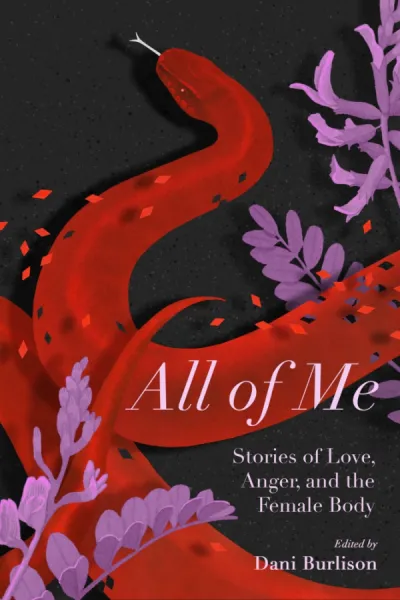
All of Me: Stories of Love, Anger, and the Female Body
This book covers topics of justice, creativity, racism, transgender perspectives, sexuality, sex work, addiction, reproductive rights, assault, relationship dynamics, families, radical self-care, witchcraft, and more.
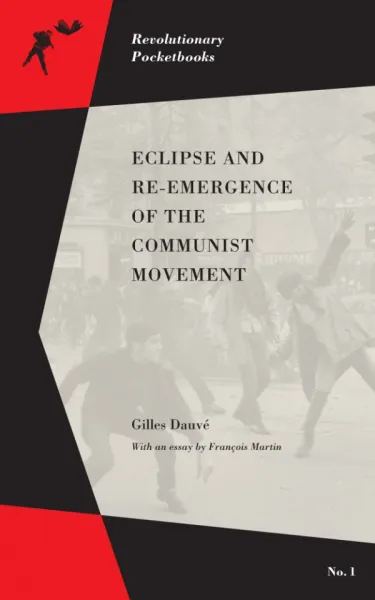
Eclipse and Re-emergence of the Communist Movement
Doing away with wage-labor, class, the State, and private property is possible, and can only be achieved by a historical break, it will not be a peaceful, gradual, piecemeal evolution.
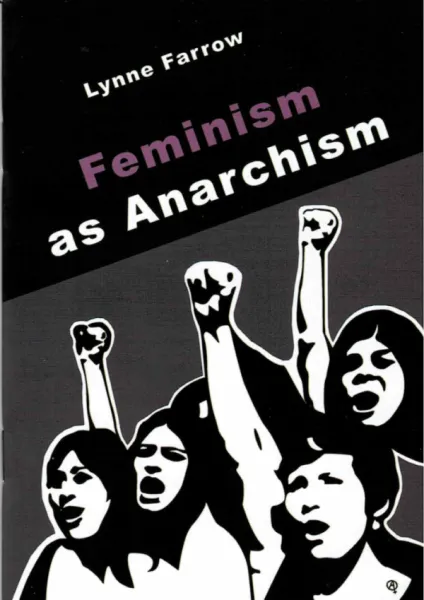
Feminism as Anarchism (A6)
This reprint of the Black Bear pamphlet from 1970's London offers an interesting insight into the struggles of the time and those that still persist today.
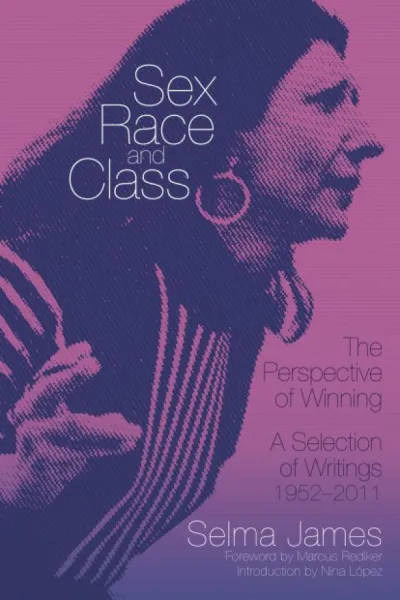
Sex, Race, and Class—The Perspective of Winning: A Selection of Writings 1952-2011
Spanning six decades, Selma James's work set a new political perspective for millions of unwaged women, redefining the working class to include sectors previously dismissed as marginal.

The Wild Girls
Two children are determined to enter "that possible even when unattainable space in which there is room for justice," leading to a violent and loving end. Plus a scorching essay on corporate publishing, and more.
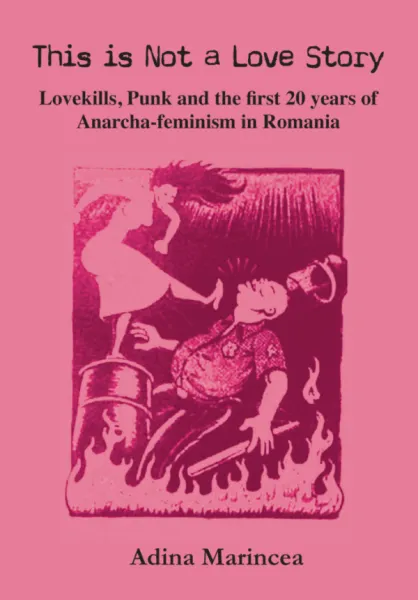
This is Not a Love Story: LoveKills, Punk and the First 20 Years of Anarcha-feminism in Romania (A6)
This booklet looks at the work of anarcha-feminist collective LoveKills and other anarchist groups that came to life during the 1990’s after the fall of the communist regime.
Recently Viewed
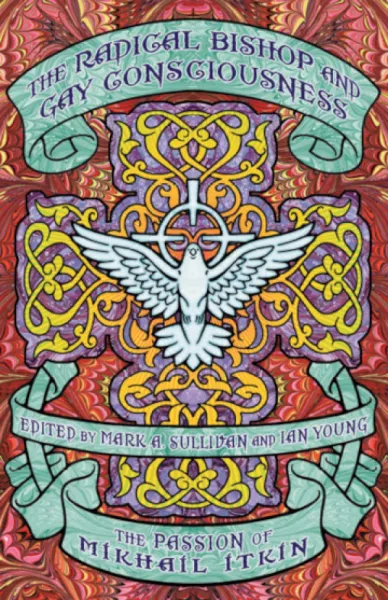
The Radical Bishop and Gay Consciousness: The Passion of Mikhail Itkin
Bishop Itkin was known in the gay radical world as a non-violent anarchist and activist. As an independent openly-gay bishop he was a stumbling block to radicals and a scandal to Christians.
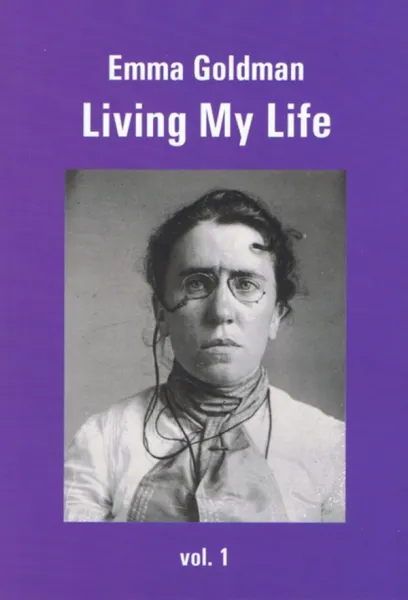
Emma Goldman: Living My Life Vol 1
The first volume of noted anarchist and feminist Emma Goldman’s three-part autobiography.