
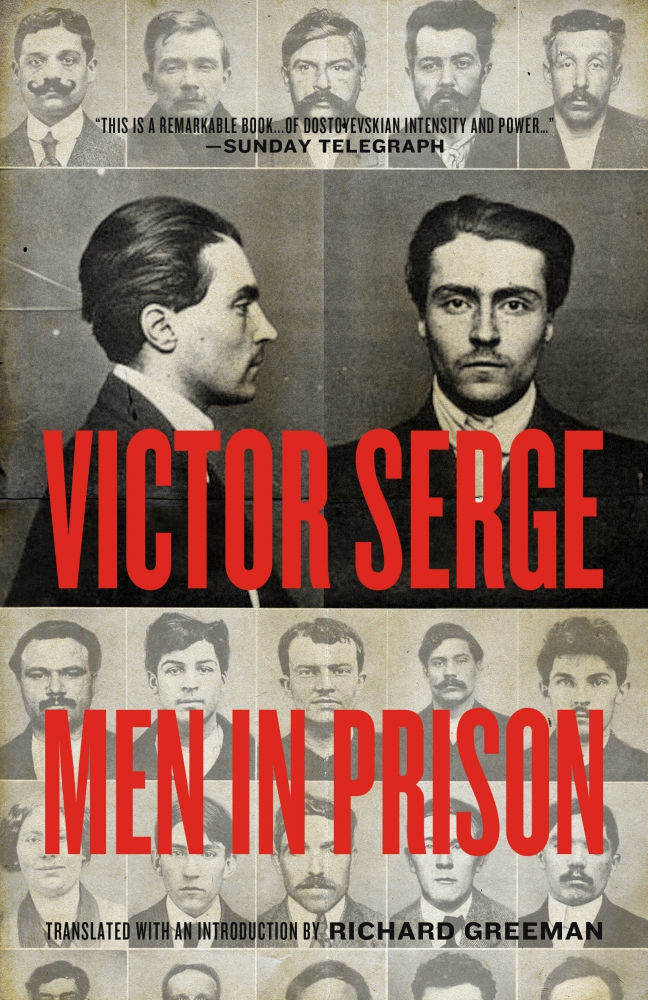
Men in Prison
Please select all options before adding to cart.
“Everything in this book is fictional and everything is true,” wrote Victor Serge in the epigraph to Men in Prison. “I have attempted, through literary creation, to bring out the general meaning and human content of a personal experience.”
The author of Men in Prison served five years in French penitentiaries (1912–1917) for the crime of “criminal association”—in fact for his courageous refusal to testify against his old comrades, the infamous “Tragic Bandits” of French anarchism. “While I was still in prison,” Serge later recalled, “fighting off tuberculosis, insanity, depression, the spiritual poverty of the men, the brutality of the regulations, I already saw one kind of justification of that infernal voyage in the possibility of describing it. Among the thousands who suffer and are crushed in prison—and how few men really know that prison!—I was perhaps the only one who could try one day to tell all... There is no novelist’s hero in this novel, unless that terrible machine, prison, is its real hero. It is not about ‘me,’ about a few men, but about men, all men crushed in that dark corner of society.”
Ironically, Serge returned to writing upon his release from a GPU prison in Soviet Russia, where he was arrested as an anti-Stalinist subversive in 1928. He completed Men in Prison (and two other novels) in “semi-captivity” before he was rearrested and deported to the Gulag in 1933. Serge’s classic prison novel has been compared to Dostoyevsky’s House of the Dead, Koestler’s Spanish Testament, Genet’s Miracle of the Rose, and Solzhenitsyn’s One Day in the Life of Ivan Denisovitch both for its authenticity and its artistic achievement.
This edition features a substantial new introduction by translator Richard Greeman, situating the work in Serge’s life and times.
Praise:
“No purer book about the hell of prison has ever been written.”
—Martin Seymour-Smith, Scotsman
“There is nothing in any line or word of this fine novel which doesn’t ring true.”
—Publishers Weekly
“This is a remarkable book… Capable of Dostoyevskian intensity and power...”
—Francis King, Sunday Telegraph
“This novel, properly so called by its author, being truth worked up as art, is strongly recommended both as a document and as a powerful work of literature.”
—Robert Garioch, Listener
“Serge is a writer young rebels desperately need whether they know it or not. He does not tell us what we should feel, he makes us feel it.”
—Stanley Reynolds, New Statesman
About Victor Serge:
Victor Serge (1890–1947) was born to Russian anti-Tsarist exiles living in Brussels. As a young anarchist firebrand, he was sentenced to five years in a French penitentiary in 1912. In 1919, Serge joined the Bolsheviks. An outspoken critic of Stalin, he was expelled from the Party and arrested in 1929. Nonetheless, he managed to complete three novels (Men in Prison, Birth of Our Power, and Conquered City) and a history (Year One of the Russian Revolution), published in Paris. Arrested again in Russia and deported to Central Asia in 1933, he was allowed to leave the USSR in 1936 after international protests by militants and prominent writers such as André Gide and Romain Rolland. Hounded by Stalinist agents, Serge lived in precarious exile in Brussels, Paris, Vichy France, and Mexico City, where he died in 1947.
About Richard Greeman:
Richard Greeman has translated and written the introductions for five of Victor Serge’s novels. Cofounder of the Praxis Center and Victor Serge Library in Moscow, Greeman is the author of Beware of Vegetarian Sharks: Radical Rants and Internationalist Essays.
See and hear author interviews, book reviews, and other news on Victor Serge's page HERE
See and hear editor interviews, book reviews, and other news on Richard Greeman's page HERE
Click here for one-page information sheet on this product
You May Also Like
Death to Bourgeois Society: The Propagandists of the Deed
Death to Bourgeois Society tells the story of four young anarchists who were guillotined in France in the 1890s: Ravachol, Auguste Vaillant, Emile Henry, and the Italian immigrant Santo Caserio.
Everyone Has Their Reasons
Based on historical records. A small, slight seventeen-year-old Polish-German Jew named Herschel Grynszpan entered the German embassy in Paris and shot dead a consular official leading to the Night of Broken Glass.
Stop, Thief!: The Commons, Enclosures, and Resistance
This majestic tour de force takes aim at the thieves of land, the polluters of the seas, the ravagers of the forests, the despoilers of rivers, and the removers of mountaintops.
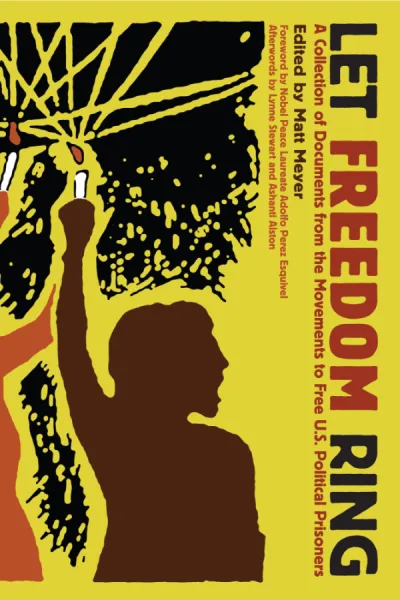
Let Freedom Ring: A Collection of Documents from the Movements to Free U.S. Political Prisoners
Collecting dozens of documents from the past three decades of struggle to free US political prisoners, this resource book is designed for action!
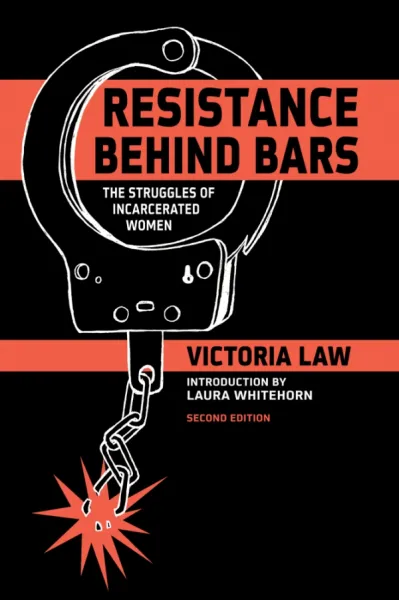
Resistance Behind Bars: The Struggles of Incarcerated Women, 2nd Edition
Resistance examines daily struggles against appalling prison conditions and injustices while documenting both collective organizing and individual resistance among women incarcerated in the U.S.

From the Bottom of the Heap: The Autobiography of Black Panther Robert Hillary King
This story is simply and humbly told, it strips bare the economic and social injustices inherent in our society, while continuing to be a powerful literary testimony to our own strength and capacity to overcome.

The Prison-Industrial Complex and the Global Economy
Follow the money and find how the prison-industrial complex fits into the New World Order of free trade and imprisoned people, the war on drugs, and capital flight.
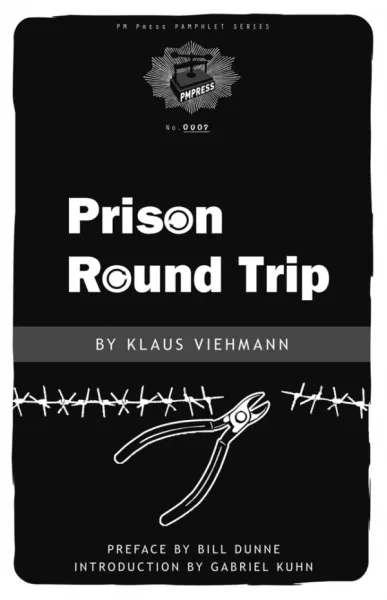
Prison Round Trip
Prison Round Trip is a reflection on prison life and how to keep one's sanity and political integrity behind bars.
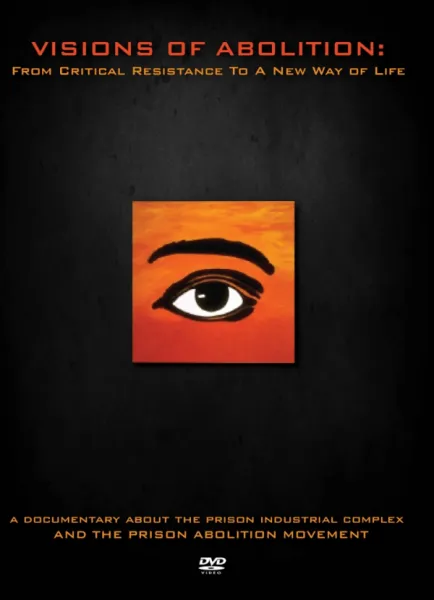
Visions of Abolition: From Critical Resistance to A New Way of Life (DVD)
Visions of Abolition is a new feature length documentary about the prison industrial complex and the prison abolition movement.
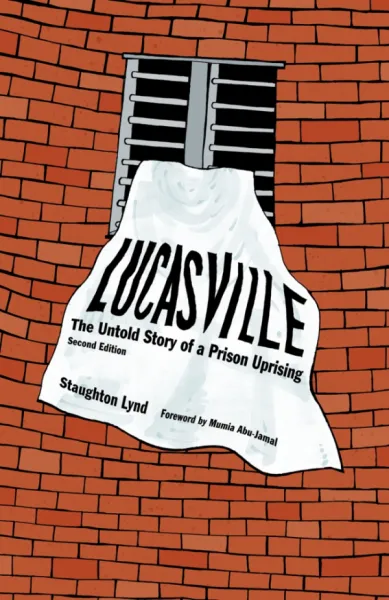
Lucasville: The Untold Story of a Prison Uprising, 2nd ed.
A powerful story of one of the longest prison uprisings in U.S. history, with a foreword by Mumia Abu-Jamal.
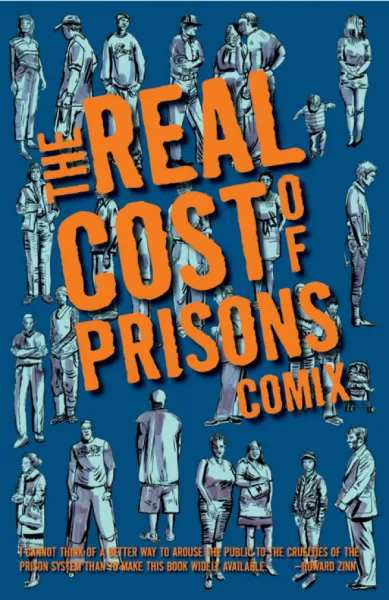
The Real Cost of Prisons Comix
One out of every hundred adults in the U.S. is in prison. This book provides a crash course in what drives mass incarceration, the human and community costs, and how to stop the numbers from going even higher.
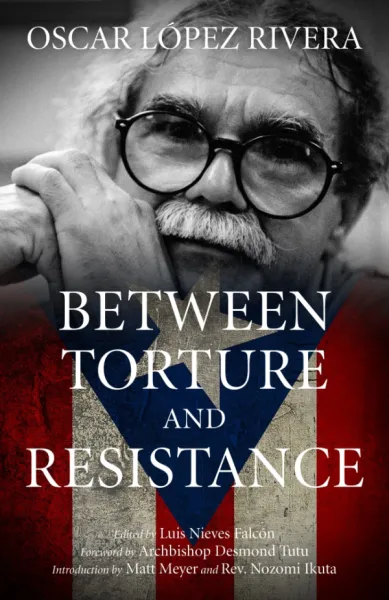
Oscar Lopez Rivera: Between Torture and Resistance
Through photographs, paintings, and graphic content, Oscar's life is made strikingly accessible—so all can understand why this man has been deemed dangerous to the U.S. government.
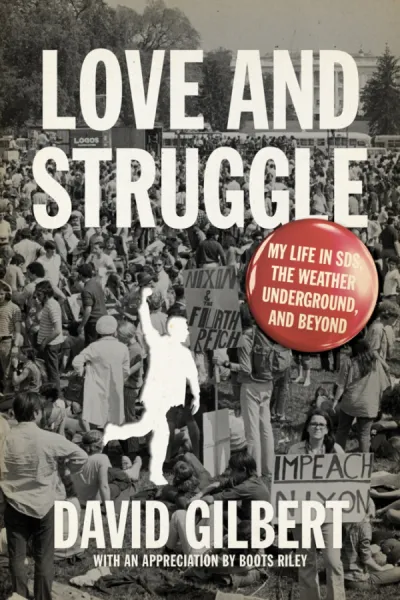
Love and Struggle: My Life in SDS, the Weather Underground, and Beyond
A candid, uncompromising, yet ultimately humane autobiography by arguably one of the most celebrated political prisoners in the world.

Maroon the Implacable: The Collected Writings of Russell Maroon Shoatz
This is the first published collection of Maroon's accumulated written works, and also includes new essays written expressly for this volume.