

In the Hour of the Wolf: Tales of a Sámi Warrior
Please select all options before adding to cart.
Power lies with the activists at the grassroots, no matter how much those in higher positions try to rewrite history.
Niillas Somby is an icon of the Sámi resistance movement. In 1979, he was one of the hunger strikers outside of the Norwegian Parliament building, drawing attention to protests against a hydropower dam near the town of Áltá in the far north of the country. Together with the Kola Peninsula in Russia, the northernmost regions of Norway, Sweden, and Finland constitute Sápmi, the traditional homeland of the Sámi, Europe’s only officially recognized indigenous people.
In 1982, after the Supreme Court of Norway upheld the government’s decision to build the Áltá dam, Somby was one of three people trying to sabotage a bridge leading to the construction site. The action failed, with the bomb they were carrying going off too early. Somby lost a hand and an eye and was facing more than twenty years in prison. With the help of an international network of indigenous activists, he managed to escape to Canada where he was adopted and sheltered by First Nations until the main charges against him were dropped and it was safe for him and his family to return to Norway.
In the Hour of the Wolf is a tale of struggle and survival, of solidarity and kinship, of steadfast principles and spiritual awakening. It is written with care, rumination, and wit. The reader learns about both Sápmi, the First Nations of Canada, and transnational indigenous politics. It is a unique account of an extraordinary life. In the end, Somby reflects on the path of the Sámi struggle for sovereignty from the protest camps of the 1970s to the halls of the Sámi Parliament.
Praise
“In the Hour of the Wolf by Niillas Somby documents an important moment in the anticolonial struggle of the Sámi people of northern Europe. In 1982 Somby was badly injured, losing an arm and an eye while attempting to sabotage construction of a hydroelectric dam on the Áltá River in Norway. Imprisoned for the sabotage attempt, Somby was able to escape and made his way to Canada, where he found shelter with Indigenous peoples, including George Manuel of the Secwepemc nation, until his charges in Norway were dropped. In the Hour of the Wolf provides a fascinating account of the Sámi people’s struggles and the life of Niillas Somby.”
—Gord Hill, Kwakwaka’wakw, author of 500 Years of Indigenous Resistance and The 500 Years of Indigenous Resistance Comic Book
“In the Hour of the Wolf is an interesting representation of contemporary Sámi history.”
—Arbeidernes Antikvariat (The Workers’ Antiquarian Bookstore, Oslo)
“This is an important book, in which Niillas Somby traces the lines from the resistance against the development of the Áltá River to the Sámi Parliament and the institutionalization of Sámi rights.”
—Samisk bibliotektjeneste (Sámi Library Services)
“The book provides personal insight on a resistance movement that has met little recognition while having been crucial in the struggle for Sámi rights.”
—Tina Andersen Vågenes, Anarres
“In the Hour of the Wolf is an important book that presents voices which have long been silenced.”
—Ivar Bjørklund, Nordnorsk debatt
About the Contributors
Niillas Somby (born 1948) has been a prominent figure in the Sámi resistance against colonization since the 1970s. He was severely injured in an ill-fated 1982 sabotage action and subsequently found refuge among First Nations in Canada. He has worked as a reindeer herder, sailor, mechanic, photographer, and journalist. Today, he lives in Deanušaldi, on the Norwegian side of Sápmi.
Gabriel Kuhn is an Austrian-born writer and translator living in Sweden. Among his book publications are Turning Money into Rebellion: The Unlikely Story of Denmark’s Revolutionary Bank Robbers and Liberating Sápmi: Indigenous Resistance in Europe’s Far North.
You May Also Like

500 Years of Indigenous Resistance
This slim volume chronicles the resistance by Indigenous peoples, which limited and shaped the forms and extent of colonialism.

Anarchist Critique of Radical Democracy: The Impossible Argument, Second Edition
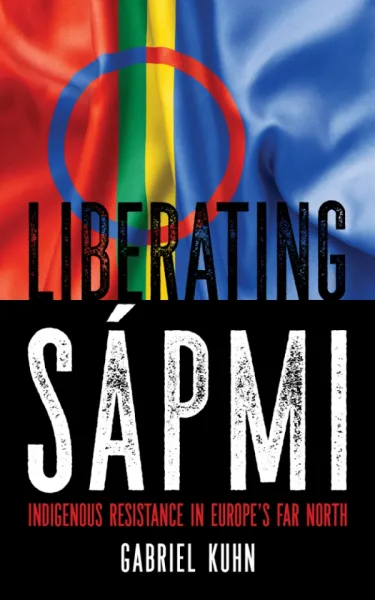
Liberating Sápmi: Indigenous Resistance in Europe's Far North
This book is a stunning journey through Sápmi and includes in-depth interviews with Sámi activists and artists boldly standing up for the rights of their people.
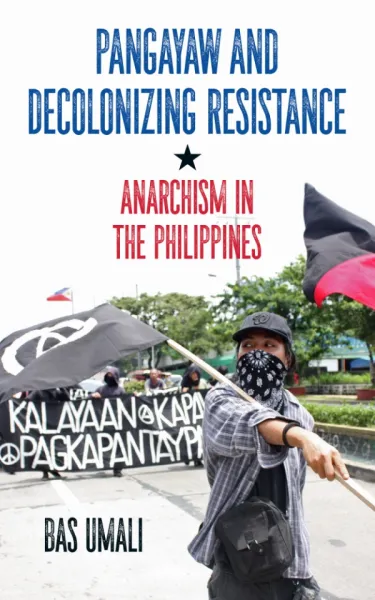
Pangayaw and Decolonizing Resistance: Anarchism in the Philippines
The start of a new paradigm and a must-read for those interested in decolonization, anarchism, and social movements of the global south.
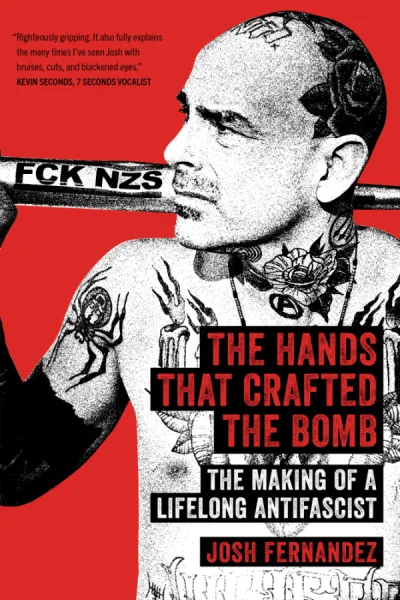
The Hands That Crafted the Bomb: The Making of a Lifelong Antifascist
This book is an act of creative insurgency. A gripping, incendiary story about the making of a lifelong antifascist.
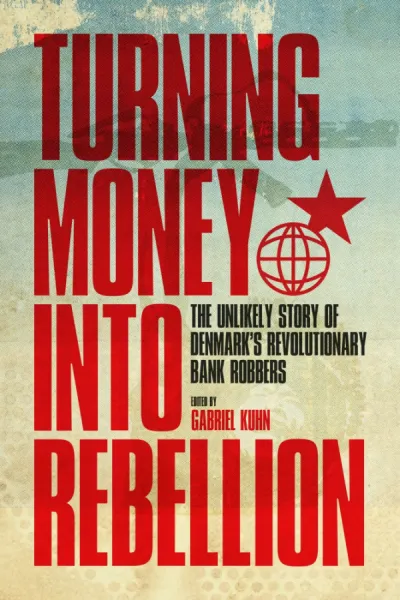
Turning Money into Rebellion: The Unlikely Story of Denmark’s Revolutionary Bank Robbers
This is the story of the Blekingegade Group who over a period of almost two decades sent millions of dollars acquired in spectacular heists to Third World liberation movements.
Recently Viewed

Capital and Its Discontents: Conversations with Radical Thinkers in a Time of Tumult
A series of incisive conversations with some of the most eminent thinkers and political economists on the Left--including David Harvey, Ellen Meiksins Wood, Mike Davis, Leo Panitch, Noam Chomsky, and Tariq Ali.