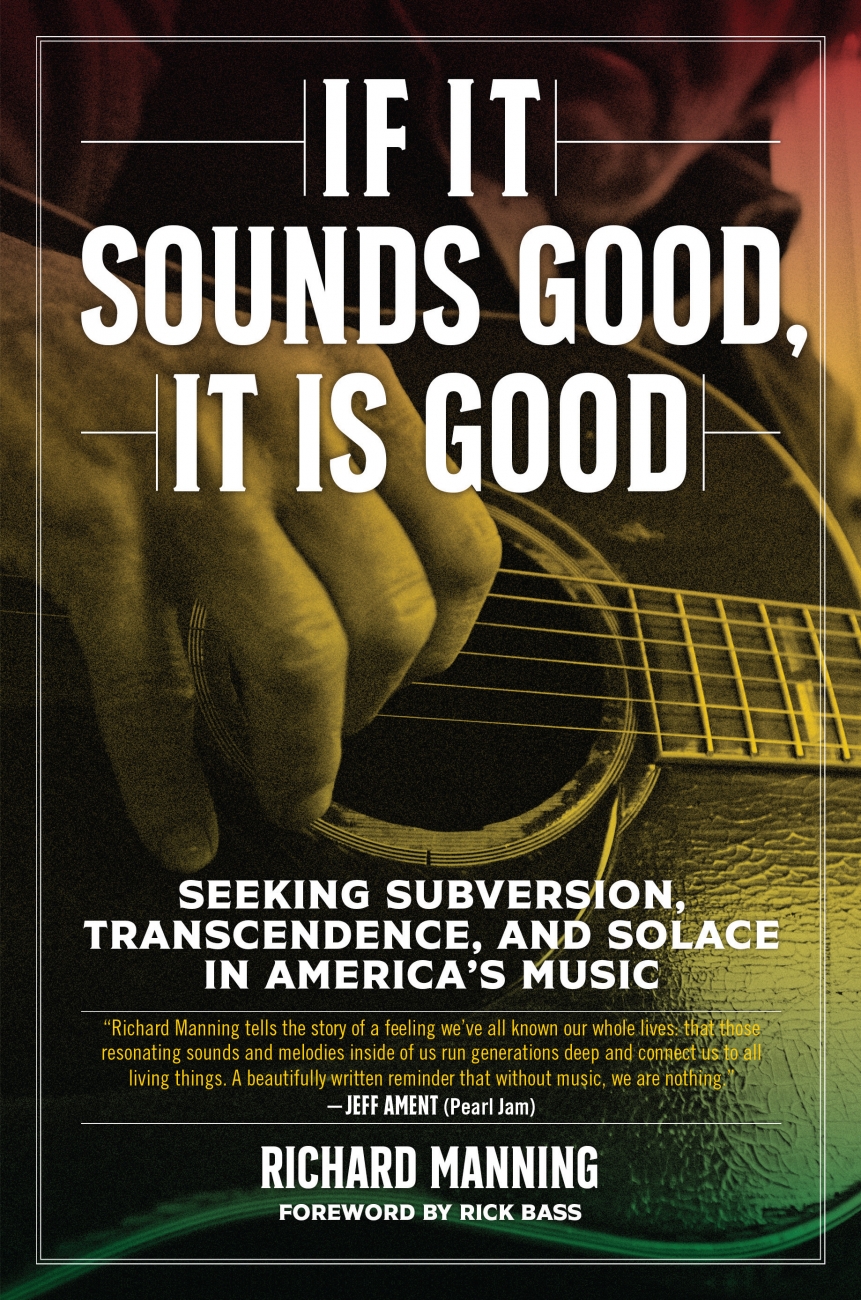
If It Sounds Good, It Is Good: Seeking Subversion, Transcendence, and Solace in America's Music
Please select all options before adding to cart.
Music is fundamental to human existence, a cultural universal among all humans for all times. It is embedded in our evolution, encoded in our DNA, which is to say, essential to our survival. Academics in a variety of disciplines have considered this idea to devise explanations that Richard Manning, a lifelong journalist, finds hollow, arcane, incomplete, ivory-towered, and just plain wrong. He approaches the question from a wholly different angle, using his own guitar and banjo as instruments of discovery. In the process, he finds himself dancing in celebration of music rough and rowdy.
American roots music is not a product of an elite leisure class, as some academics contend, but of explosive creativity among slaves, hillbillies, field hands, drunks, slackers, and hucksters. Yet these people—poor, working people—built the foundations of jazz, gospel, blues, bluegrass, rock ’n’ roll, and country music, an unparalleled burst of invention. This is the counterfactual to the academics’ story. This is what tells us music is essential, but by pulling this thread, Manning takes us down a long, strange path, following music to deeper understandings of racism, slavery, inequality, meditation, addiction, the science of our brains, and ultimately to an enticing glimpse of pure religion.
Use this book to follow where his guitar leads. Ultimately it sings the American body, electric.
Praise:
“Richard Manning is the most significant social critic in the northern Rockies. We’re fortunate to have Dick Manning as he continues his demands for fairness while casting light on our future.”
—William Kittredge, author of The Last Best Place: A Montana Anthology and The Next Rodeo: New and Selected Essays
“Richard Manning’s work has always been something special, distinguished by its intense passion and its penetrating insights.”
—George Black, author of Empire of Shadows: The Epic Story of Yellowstone
“Richard Manning is at the head of his class.”
—Larry McMurtry, author of over two-dozen books including The Last Picture Show and Lonesome Dove
“Richard Manning is the West’s greatest journalist. Read this book, and then read everything else he has written and everything he will ever write.”
—Rick Bass, author of Why I Came West and The Traveling Feast
“A good researcher, facile writer, and passionate critic.”
—Orion
“Richard Manning tells the story of a feeling we’ve all known our whole lives: that those resonating sounds and melodies inside of us run generations deep and connect us to all living things. A beautifully written reminder that without music, we are nothing.”
—Jeff Ament, Pearl Jam
About the Contributors:
Richard Manning is a lifelong journalist, the author of eleven books. He is a contributing editor for Harper’s magazine, was a John S. Knight Fellow in Journalism at Stanford University, and has received many awards, especially in environmental journalism. His book One Round River was named a significant book of the year by the New York Times. His work was featured in Best American Science and Nature Writing, 2010 and Best American Travel Writing of 2017.
Rick Bass is a writer and environmental activist. Bass won the Story Prize for books published in 2016 for his collection of new and selected stories, For a Little While. He was a finalist for the Story Prize in 2006 for his short story collection The Lives of Rocks. He was a finalist for the 2008 National Book Critics Circle Award (autobiography) for Why I Came West. He was also awarded the General Electric Younger Writers Award, a PEN/Nelson Algren Award Special Citation for fiction, and a National Endowment for the Arts fellowship.
See and hear author interviews, book reviews, and other news on Richard Manning's page HERE
See and hear more on Rick Bass's page COMING SOON
You May Also Like
Silenced by Sound: The Music Meritocracy Myth
A powerful exploration of the challenges facing art, music, and media in the digital era.
Songs of Freedom: The James Connolly Songbook
Songs of Freedom is a celebration of the life and work of James Connolly, the Irish revolutionary socialist. It is at once a collection of stirring revolutionary songs and a vital history.
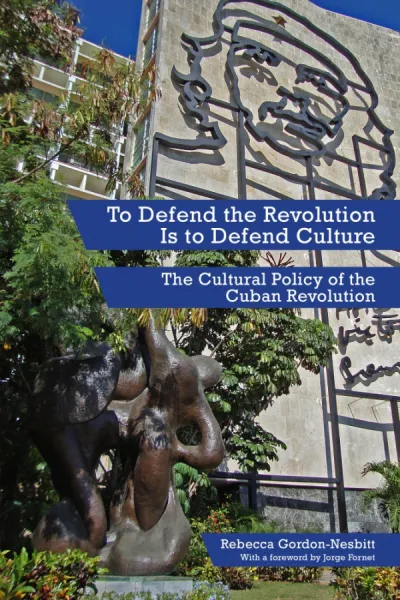
To Defend the Revolution Is to Defend Culture: The Cultural Policy of the Cuban Revolution
This incisive account of the centrality of the arts to the Cuban Revolution follows the polemical twists and turns of the struggle between Soviet-derived and uniquely Cuban approaches to culture under socialism.
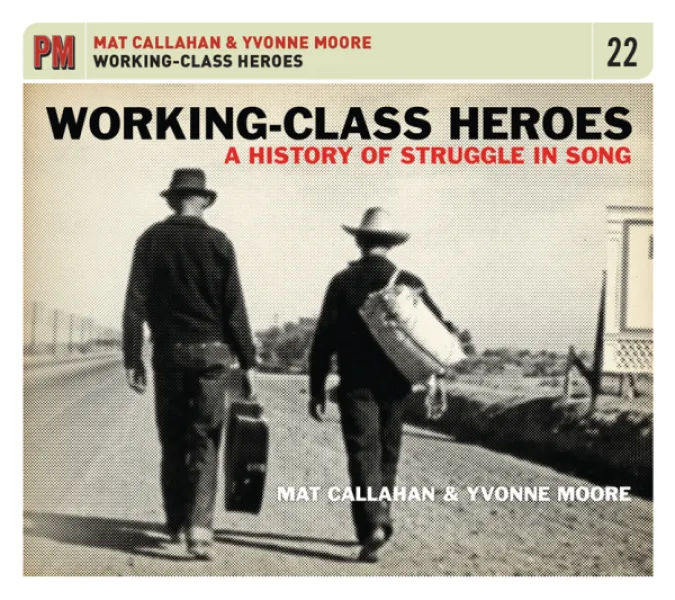
Working-Class Heroes CD
A collection of American working-class, pre–World War II folk songs.