

Green Anarchism (A6)
“At this point we need to be clear that this is simply our concept of what anarchism stands for. It is often said that there are as many versions of anarchism as there are anarchists. This is not a bad thing, but if debate is to be had it will progress much better if the conceptions which underlie our anarchism are clearly laid out.
The standard approach is to consider it less as a political philosophy and rather to examine it how it is expressed – that is, through anti-state protest, in statements of non-hierarchy and rejection of leaders, in radical union movements and more often than not in its confrontational approach to the current mainstream.
We shall take a different starting point and instead following the approach of Irving Horowitz [1]. Horowitz noted that the historical strands of anarchism were expressions of more fundamental principles that were applied to the political situations the anarchists were in.
That is not to say that Horowitz identified these principles – mutual aid and solidarity, freedom & equality go as far back as the first theorists, but he pointed out that they were often being simply considered within particular contexts, that each group applying them focused on the issues that exercised them the most. Thus, as analysis changed from group to group the same words took on different meanings. However, the process and aims remained the same.
Understanding this means that it is possible to start from these principles and to bring together everything commonly referred to as core anarchist beliefs, such as anti-hierarchy, free association, etc. As we will see they are remarkably consistent and informative and the wider analysis that can be developed from it remains powerful and accessible, so making them just as useful in every day life as they are in critiquing states, bosses and wars.
[1] Irving Horowitz, “The Anarchists”, 1964
You May Also Like

Anarchy and Polyamory (A6)
Exploring open relationships and non-monogamy from the perspective of green anarchism, 2021 reprint by Active Distribution.
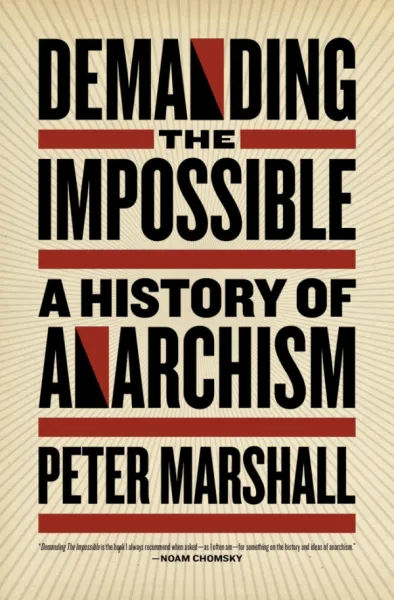
Demanding the Impossible: A History of Anarchism
Navigating the broad "river of anarchy," from Taoism to Situationism, from anarcho-syndicalists to anarcha-feminists, this volume is an authoritative and lively study of a widely misunderstood subject.

Anarchism, Anarchist Communism, and The State: Three Essays
This collection contextualises and contemporises three of Kropotkin’s most influential essays.

Anarchism in North East England 1882 - 1992
An indepth study of the activities of anarchists in the Tyneside area of the UK over the last 130 years or so.

Anarchism: The Feminist Connection (A6)
Peggy Kornegger's classic essay exploring how the fight against patriarchy necessarily entails challenging the very idea of authority itself.
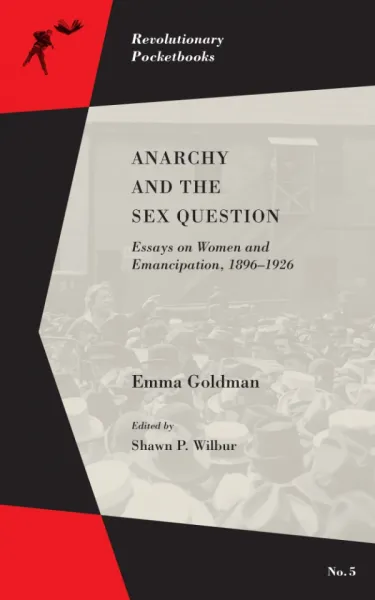
Anarchy and the Sex Question: Essays on Women and Emancipation, 1896-1926
"The Sex Question" emerged for Goldman in multiple contexts as varied as women's suffrage, "free love," birth control, the "New Woman," homosexuality, marriage, love, and literature.
Recently Viewed

Camden Parasites
"A savage indictment of bourgeois society..." - Stewart Home.
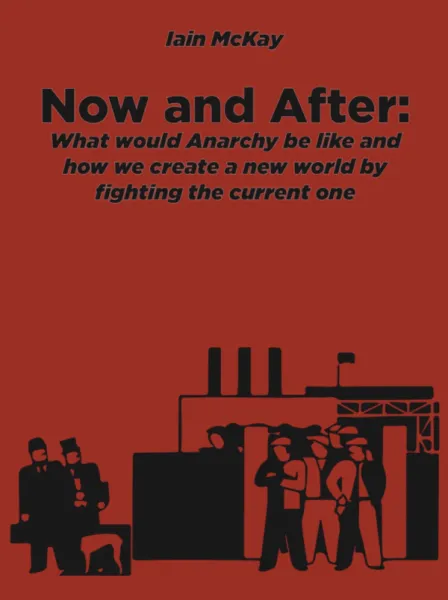
Now and After (A6)
What would Anarchy be like and how we create the new world by fighting the current one.