
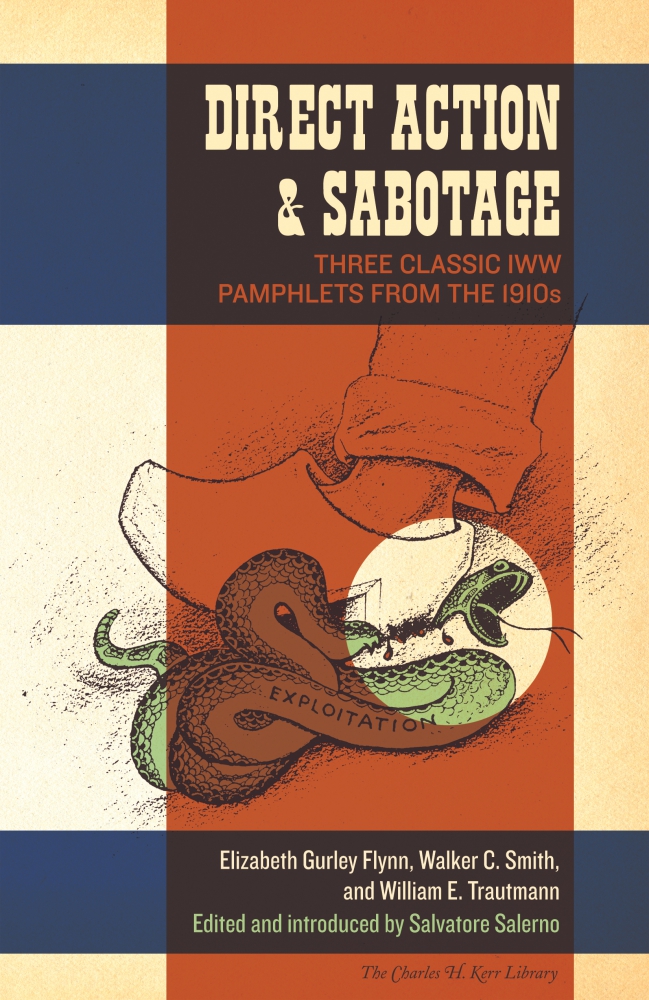
Direct Action & Sabotage: Three Classic IWW Pamphlets from the 1910s
Please select all options before adding to cart.
The pamphlets reprinted here were first published in the 1910s amid great controversy. Even then, the tactics of direct action and sabotage were often associated with the cartoonists’ image of the disheveled, wild-eyed anarchist armed with stiletto, handgun, or bomb—the clandestine activity of a militant minority or the desperate acts of the unorganized.
The activist authors of the texts in this collection challenged the prevailing stereotypes. As they point out, the practices of direct action and sabotage are as old as class society itself and have been an integral part of the everyday work life of wage-earners in all times and places. To the Industrial Workers of the World (IWW) belongs the distinction of being the first workers’ organization in the U.S. to discuss these common practices openly, and to recognize their place in working-class struggle. Viewing direct action and sabotage in the spirit of creative nonviolence, Wobblies readily integrated these tactics into their struggle to build industrial unions.
Direct action is recognized as a valuable and effective tactic by many movements around the globe and remains a cutting-edge tool for social change. Whenever communities in struggle find more conventional methods of resistance closed to them, direct action and sabotage will be employed.
This new edition from the Charles H. Kerr Library contains “Direct Action and Sabotage” (1912) by William E. Trautmann, “Sabotage: Its History, Philosophy & Function” (1913) by Walker C. Smith, and Elizabeth Gurley Flynn’s “Sabotage: The Conscious Withdrawal of the Workers’ Industrial Efficiency” (1916), edited and with an introduction by Salvatore Salerno.
About Salvatore Salerno (editor):
Salvatore Salerno is the author of Red November, Black November: Culture and Community in the Industrial Workers of the World and has contributed articles to the Haymarket Scrapbook and many other publications. He is a professor on the Community Faculty staff of Metropolitan State University in St. Paul, Minnesota.
About Elizabeth Gurley Flynn:
Elizabeth Gurley Flynn, “The Rebel Girl” (1890–1964) was a labor leader, activist, and feminist who played a leading role in the Industrial Workers of the World (IWW). Flynn was a founding member of the American Civil Liberties Union and a visible proponent of women’s rights, birth control, and women’s suffrage.
About Walker C. Smith:
Walker C. Smith was a leading member of the Industrial Workers of the World (IWW), who wrote and edited socialist newspapers, philosophical tracts, pamphlets, satirical plays, and even verse. Smith regularly went on speaking tours to promote the cause of the Wobblies and recruit new members. Since Smith was a “noted IWW agitator,” police arrested him frequently for his union activities. Smith’s most famous pamphlet, Sabotage, was used by courts throughout the United States as evidence that members of the IWW union were guilty of criminal syndicalism for simply belonging to the union. Though Sabotage was probably Smith’s most widely distributed pamphlet, his most famous work was The Everett Massacre, a book intended to reveal the injustices committed against the working classes of Everett, Washington.
About William E. Trautmann:
William Ernst Trautmann was a leading theorist and founding general secretary-treasurer of the IWW and one of six people who initially laid plans for the organization in 1904. Between 1905 and 1912 he mostly worked in the field as an organizer. In 1922 Trautmann published a novel, Riot, that drew on his experiences as an IWW activist during the Pressed Steel Car Strike of 1909 in McKees Rocks, Pennsylvania.
See and hear more about the authors, book reviews, and other news on Elizabeth Gurley Flynn's page HERE, Walker C. Smith's page HERE, William E. Trautmann's page HERE and Salvatore Salerno's page HERE.
You May Also Like
"We Called Each Other Comrade": Charles H. Kerr & Company, Radical Publishers
The history of the most significant translator, publisher, and distributor of left-wing literature in the United States.
A History of Pan-African Revolt
Originally published in England in 1938 (the same year as his magnum opus The Black Jacobins) and expanded in 1969, this work remains the classic account of global black resistance.
A New Notion: Two Works by C.L.R. James: "Every Cook Can Govern" and "The Invading Socialist Society"
In this volume, Noel Ignatiev, provides an extensive introduction to James' life and thought, before presenting two critical works that illustrate the tremendous breadth and depth of James' worldview.
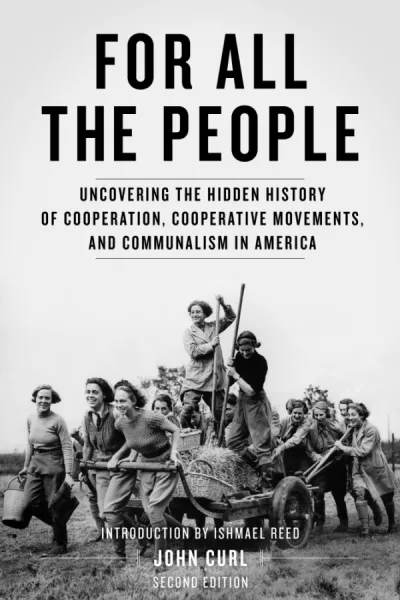
For All the People: Uncovering the Hidden History of Cooperation, Cooperative Movements, and Communalism in America, 2nd Edition
Seeking to reclaim a history that has remained largely ignored by most historians, this dramatic and stirring account examines American cooperative movements for social change that have been all but erased from collective memory.
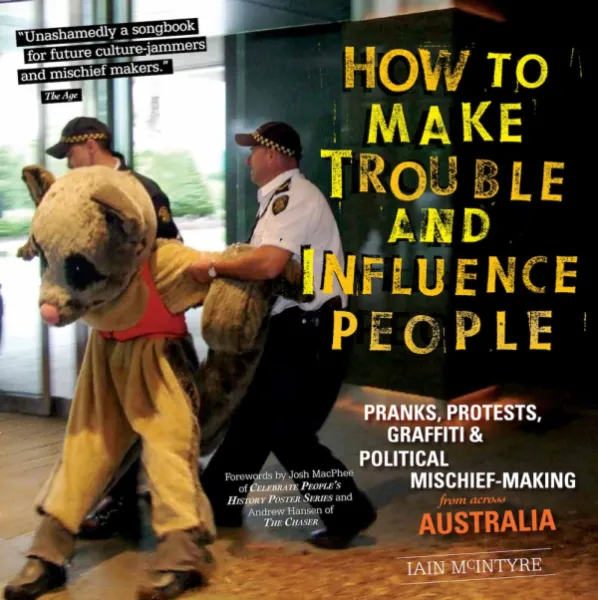
How to Make Trouble and Influence People: Pranks, Protests, Graffiti & Political Mischief-Making from across Australia
This book reveals Australia's radical past through more than 500 tales of Indigenous resistance, convict revolts and escapes, picket line hijinks, creative direct action, street art, media pranks, squatting, etc.
I.W.W. Songs to Fan the Flames of Discontent: A Facsimile Reprint of the Nineteenth Edition (1923) of the "Little Red Song Book"
A Radical Labor Classic!
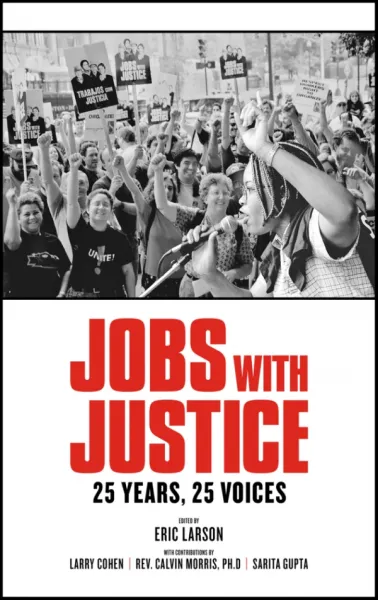
Jobs with Justice: 25 Years, 25 Voices
Through interviews and essays the activists that built Jobs with Justice show us why their economic vision matters after 25 years of solidarity organizing that has resulted in local, national, and international victories.
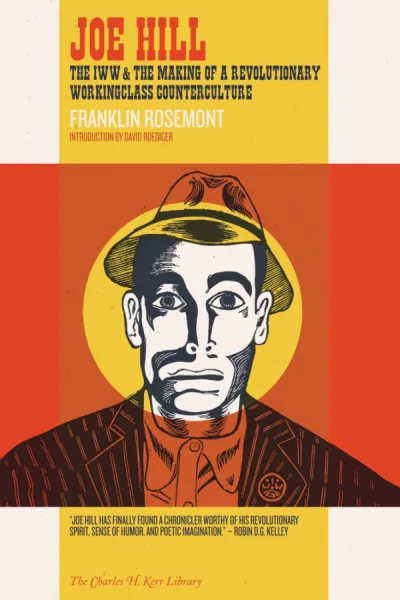
Joe Hill: The IWW & the Making of a Revolutionary Workingclass Counterculture, Second Edition
A monumental work, expansive in scope, covering the life, times, and culture of that most famous of the Wobblies—songwriter, poet, hobo, thinker, humorist, martyr—Joe Hill.
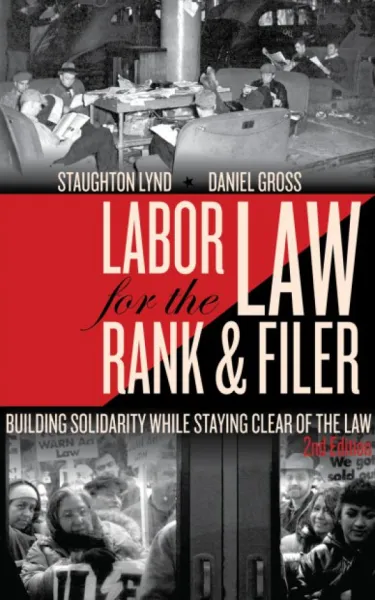
Labor Law for the Rank and Filer: Building Solidarity While Staying Clear of the Law (2nd Edition)
A guerrilla legal handbook for workers in a precarious global economy.
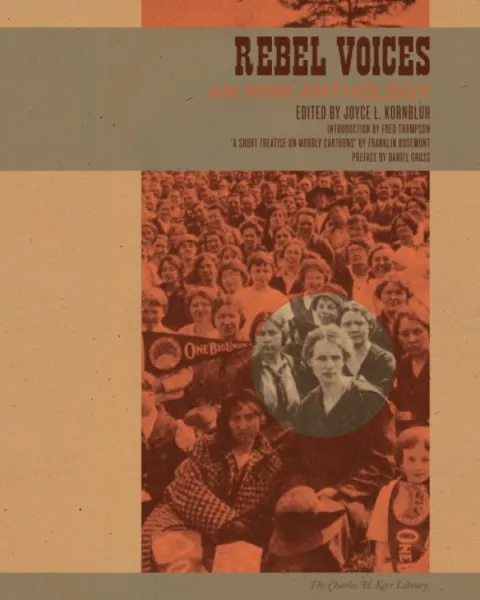
Rebel Voices: An IWW Anthology
This new edition of a classic is by far the biggest and best source on IWW history, fiction, songs, art, and lore.
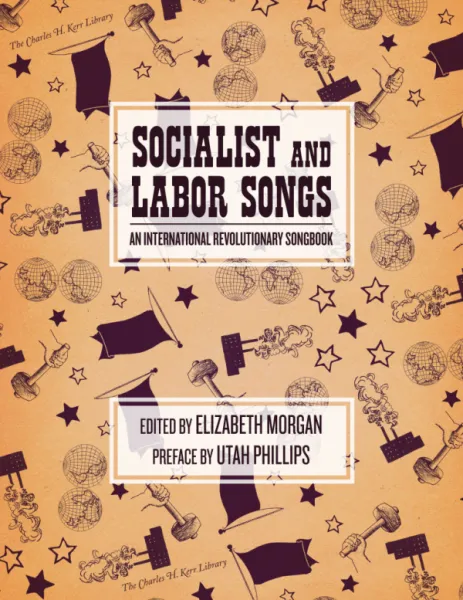
Socialist and Labor Songs: An International Revolutionary Songbook
Seventy-seven songs, with words and sheet music, of solidarity, revolt, humor, and revolution. Compiled from several generations in America, and from around the world.

Solidarity Unionism at Starbucks
Combining history and theory Lynd and Gross make a compelling case for solidarity unionism as an effective approach to winning a voice on the job.

The Housing Monster
The Housing Monster is a scathing illustrated essay that takes one seemingly simple, everyday thing—a house—and looks at the social relations that surround it.
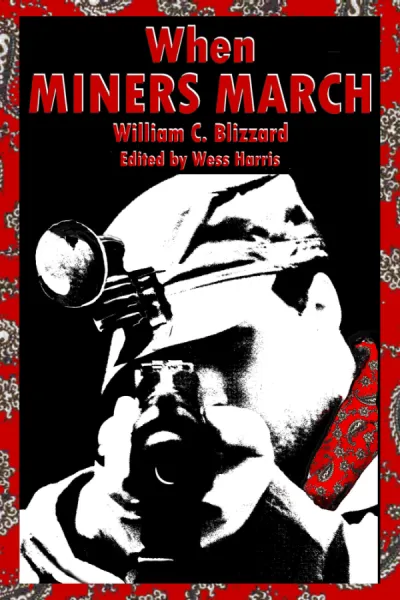
When Miners March
The definitive insider's history of the 20th century Mine Wars and the treason trial of Bill Blizzard, the fearless leader of the Red Neck Army.