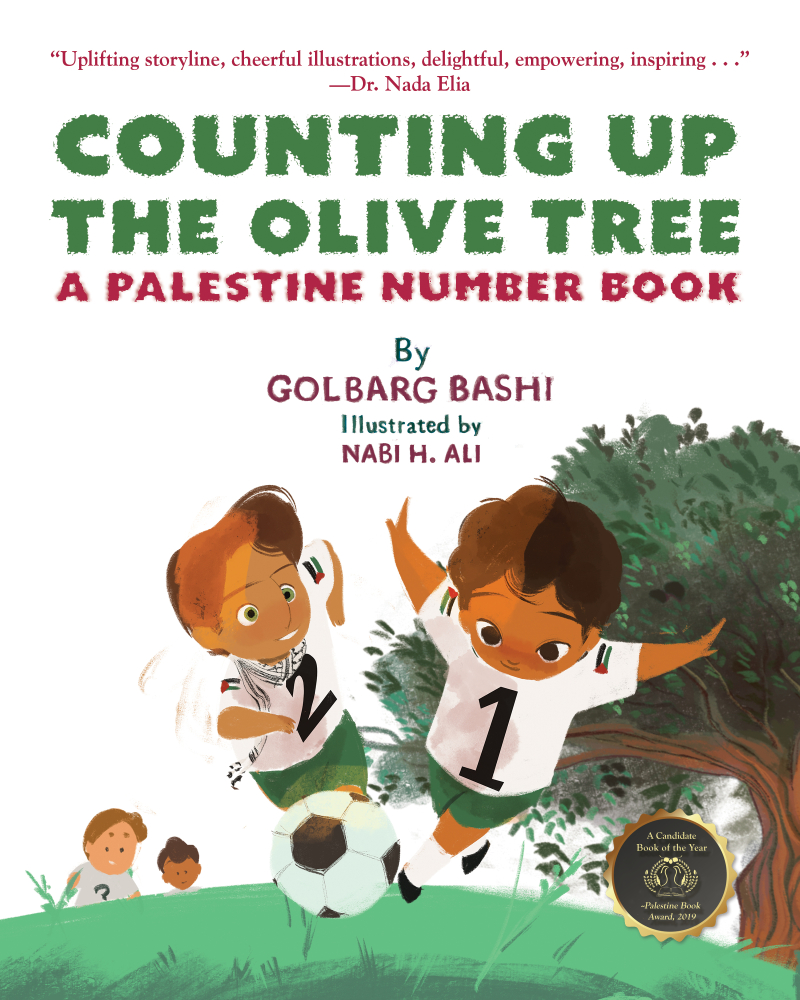
Counting up the Olive Tree: A Palestine Number Book
Please select all options before adding to cart.
Counting up the Olive Tree: A Palestine Number Book is a rhythmic adventure where little Palestinian football (soccer) players—boys and girls—work together to save an olive tree in a race against time.
Following on the extraordinary success of P Is for Palestine: A Palestine Alphabet Book, Golbarg Bashi teamed up with the gifted artist Nabi H. Ali to create Counting up the Olive Tree to help young readers practice counting numbers and learn the power of cooperation.
Praise
“Uplifting storyline, cheerful illustrations, delightful, empowering, inspiring.”
—Dr. Nada Elia, coeditor of The Revolution Will Not Be Funded: Beyond the Non-Profit Industrial Complex
“Counting up the Olive Tree is a jamboree of colors and childhood exuberance rooted in the heart of Palestine. An infectious delight for young readers and parents alike.”
—Remi Kanazi, is a Palestinian-American performance poet, writer, and organizer
“Golbarg Bashi cleverly uses the game of football, that is unifying to the world, that is relatable and fun . . . while still giving the readers an insight to the reality of what life is like in Palestine . . . showcasing their bravery and their courage, to resist in ways that are peaceful and full of promise and hope.”
—Joudie Kalla, author of Palestine on a Plate: Memories from My Mother’s Kitchen
“Golbarg Bashi brilliantly and whimsically uses football. . . . Makes me wish I could have read it with my friends as a kid.”
—Ahmed Shihab-Eldin, Emmy-nominated journalist and producer
About the Author and Illustrator
Golbarg Bashi was born in Iran, raised in Sweden, and educated in the UK and US. For over a decade, Dr. Bashi has designed and taught interdisciplinary courses on various aspects of medieval and modern history of west Asia, as well as Islamic art, critical methodologies in a wide range of disciplines. After a full-time career as an academic, she is now focused on diversifying children’s media and empowering children from underrepresented and marginalized countries and communities with positive, environmentally conscious, and fun stories that inform all the interconnectedness of world cultures. She lives with her family in New York.
Nabi H. Ali is a Tamil-American illustrator who enjoys creating works that showcase an array of cultures and people. He is very passionate about working with characters that he would have liked to have seen when he was a kid. He is the illustrator of several picture books, including Laxmi’s Mooch. His other illustrated picture books include Beautifully Me and We Move the World. Nabi lives in California.
You May Also Like
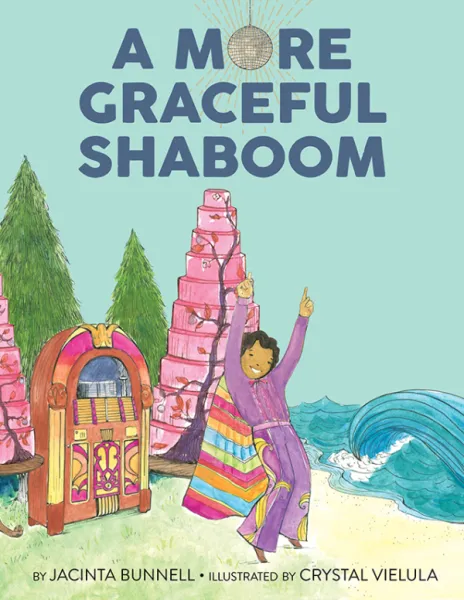
A More Graceful Shaboom
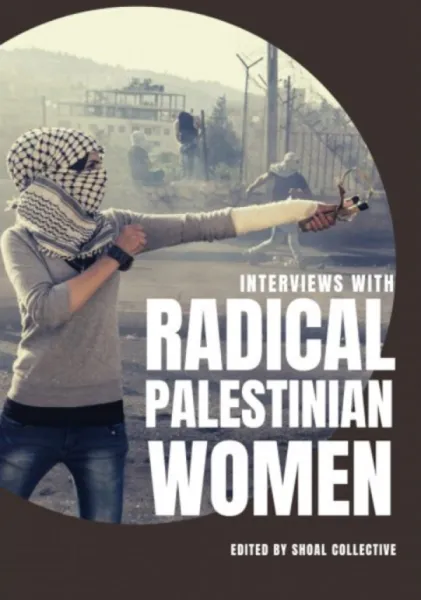
Interviews with Radical Palestinian Women
Ten radical Palestinian women spoke to the authors to help people outside of Palestine better understand them as allies in our global struggles for freedom.
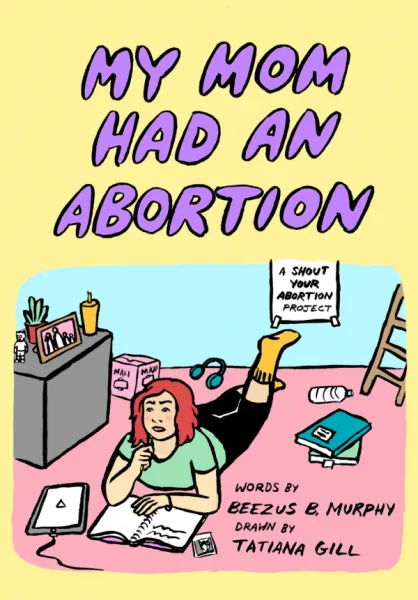
My Mom Had an Abortion
A unique coming-of-age tale told by a self-described dyslexic-asexual-lesbian-feminist teenager and illustrated by body-positive comic artist Tatiana Gill.
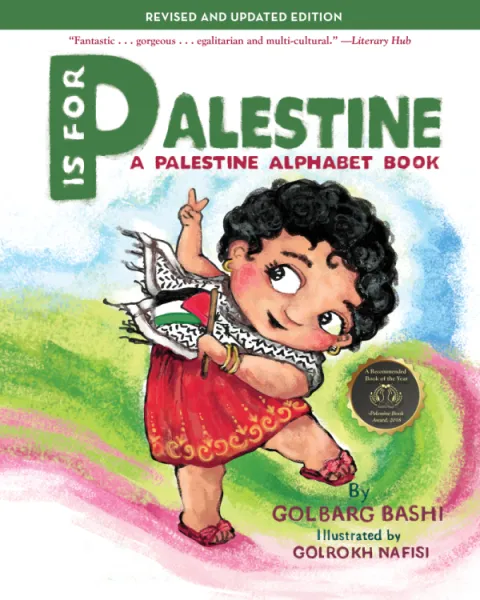
P Is for Palestine: A Palestine Alphabet Book
The world’s first English-language ABC story book about Palestine with stunning illustrations.
Signal 08: A Journal of International Political Graphics and Culture
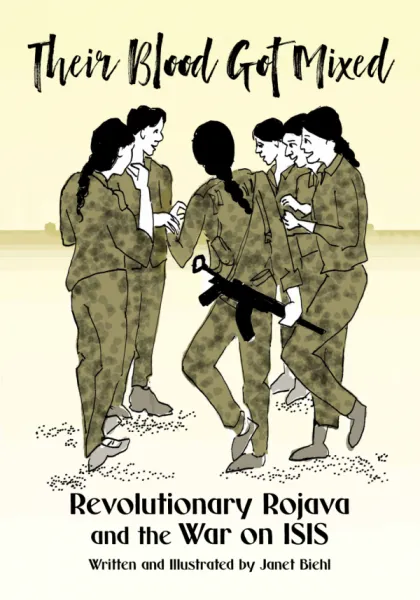
Their Blood Got Mixed: Revolutionary Rojava and the War on ISIS
An illustrated exploration of the Kurdish people's struggle, their revolution, and resistance to ISIS.