
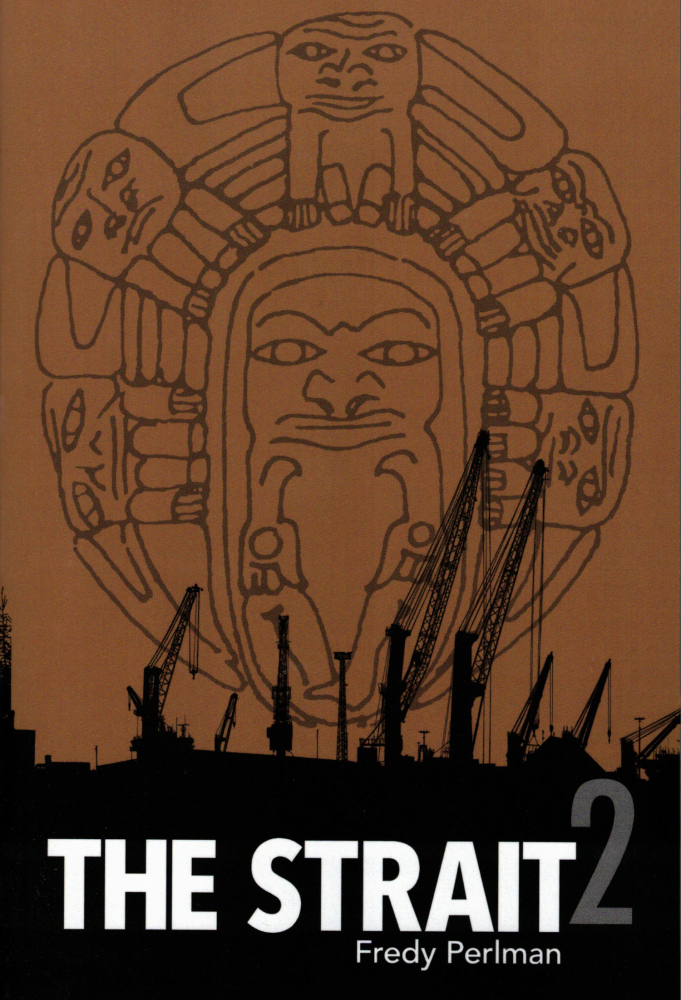
The Strait 2
This second volume of Fredy Perlman’s novel The Strait completes his project to depict the story of the catastrophic effects of what he called the “world-changers” on the original communities of the North American continent, specifically around the Great Lakes and Tiosa Rondion, the fast-current river and strait between two lakes and the colonial outpost that became Detroit.
According to his life-partner and biographer Lorraine Perlman, this was the work that had germinated as early as 1959, when he had begun his lifelong critique of what he called “The Rise and Fall of Capital and Labor,” a concept that started as an historical polemic and which he abandoned as perhaps just another history, and thus a tool learned from the empire he wished to oppose. In 1983, worried that he could not finish his story to be told in a way he hoped would approach the telling of the world changes by a primal person, Perlman laid out his vision of the history of our world in his Against His-story, Against Leviathan!—a fast-current soliloquy itself, a stormy anti-history, which gained many admirers and was translated into several languages.
He returned to his sweeping epic and left it nearly completed—a family saga, as Lorraine put it, incorporating, among many other themes, the deadly impact of commodities and technology on organic communities, the failure of all institutions, “the hazards of one speaking to many and, of course, about saviors who claim to protect their followers from all of the above.” The first volume, treating the early contacts between capitalist civilization and the indigenous communities of the Great Lakes region, was published posthumously soon after his death in 1985. This second volume, bringing events to the middle of the 19th century, completes the story of the families that experienced conquest, colonialization, and the triumph of capitalism.
This second volume of Fredy Perlman’s novel The Strait completes his project to depict the story of the catastrophic effects of what he called the “world-changers” on the original communities of the North American continent, specifically around the Great Lakes and Tiosa Rondion, the fast-current river and strait between two lakes and the colonial outpost that became Detroit.
According to his life-partner and biographer Lorraine Perlman, this was the work that had germinated as early as 1959, when he had begun his lifelong critique of what he called “The Rise and Fall of Capital and Labor,” a concept that started as an historical polemic and which he abandoned as perhaps just another history, and thus a tool learned from the empire he wished to oppose. In 1983, worried that he could not finish his story to be told in a way he hoped would approach the telling of the world changes by a primal person, Perlman laid out his vision of the history of our world in his Against His-story, Against Leviathan!—a fast-current soliloquy itself, a stormy anti-history, which gained many admirers and was translated into several languages.
He returned to his sweeping epic and left it nearly completed—a family saga, as Lorraine put it, incorporating, among many other themes, the deadly impact of commodities and technology on organic communities, the failure of all institutions, “the hazards of one speaking to many and, of course, about saviors who claim to protect their followers from all of the above.” The first volume, treating the early contacts between capitalist civilization and the indigenous communities of the Great Lakes region, was published posthumously soon after his death in 1985. This second volume, bringing events to the middle of the 19th century, completes the story of the families that experienced conquest, colonialization, and the triumph of capitalism.
You May Also Like
The Strait: Obenabi’s Songs
Obenabi, the narrator, sings the story of his people confronting the European Invader into the Great Lakes region of North America.
Red Nation Rising: From Bordertown Violence to Native Liberation
The Cry of Mother Earth: Plan of Action of the Ecosocialist International
This book combines two historic documents from the Ecosocialist International—a chorus of grief and praise for Mother Earth and a planetary program of revolutionary action.
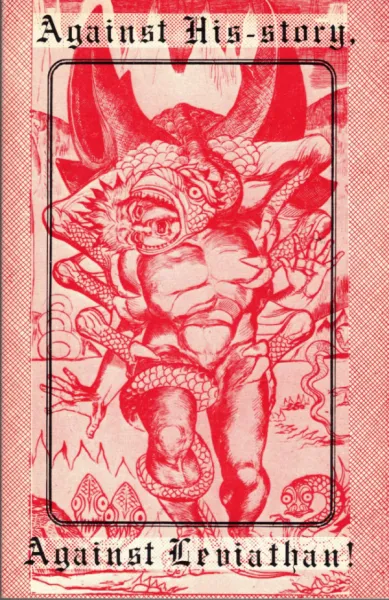
Against His-Story, Against Leviathan (Black & Red)
Perlman's major work, a vast study of the rise of totalitarian lifestyles and a profound affirmation of the struggle to reassert human values.
The Mohawk Warrior Society: A Handbook on Sovereignty and Survival
This book is a readable and challenging collection for anyone interested in post-1968 indigenous resistance in North America.
500 Years of Indigenous Resistance
This slim volume chronicles the resistance by Indigenous peoples, which limited and shaped the forms and extent of colonialism.
Wielding Words like Weapons: Selected Essays in Indigenism, 1995-2005
Wielding Words like Weapons is a collection of acclaimed American Indian Movement activist-intellectual Ward Churchill’s essays in indigenism, selected from material written during the decade 1995–2005.
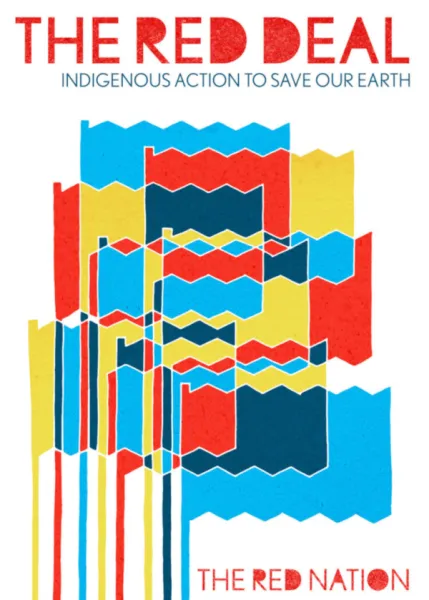
The Red Deal: Indigenous Action to Save our Earth
One-part visionary platform, one-part practical toolkit, The Red Deal is a platform that encompasses everyone, including non-Indigenous comrades in the fight for Indigenous liberation.
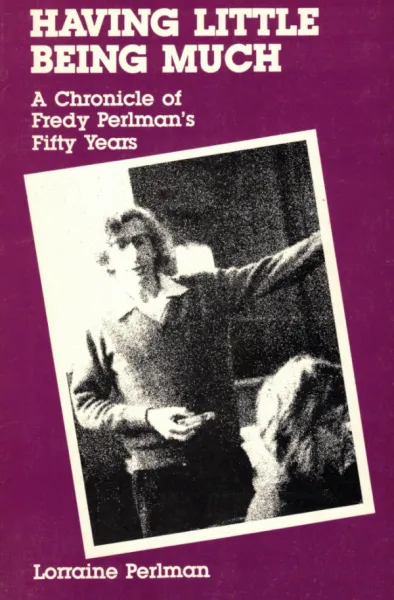
Having Little, Being Much: A Chronicle of Fredy Perlman's Fifty Years
A memoir with photos written by Fredy’s companion of 27 years.
Recently Viewed
Parenting Combo Pack
Ruminations
Ruminations on humanity, civilization, and the impact of human beings upon the world at large heading for environmental disaster.