
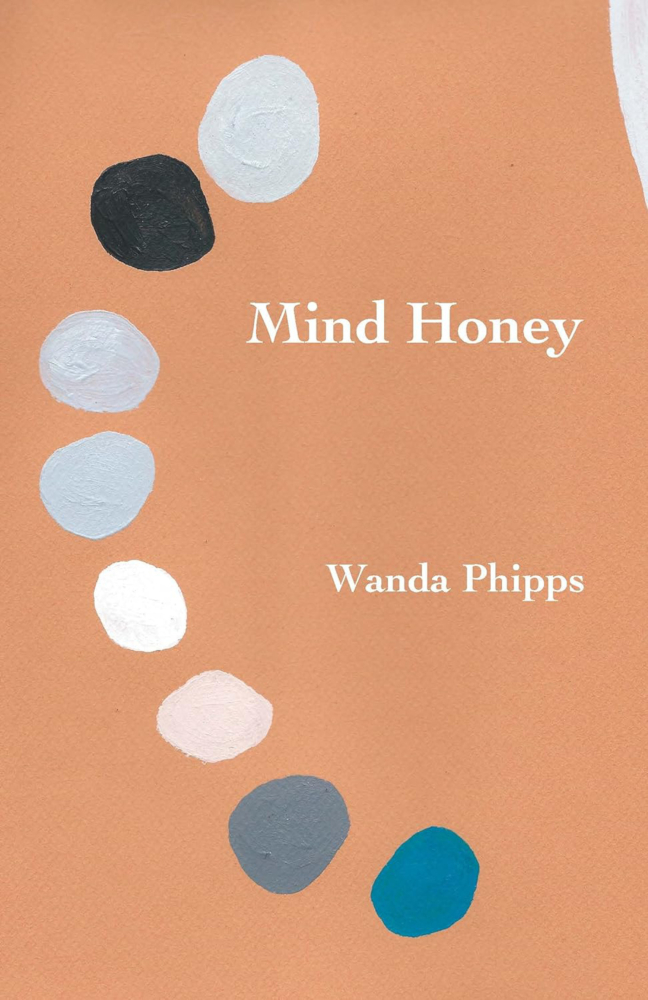
Mind Honey
“The poems in Wanda Phipps’ Mind Honey slow down and speed up in ways that are filled with surprise and pleasure. She stays faithful, in poem after poem, to the immediacy of experience and the clarity of observation, even when she occasionally takes a backward glance into the abyss. Sensual, breathtaking, excavating the ‘secret life in words,’ Phipps is a true visionary.” ― Lewis Warsh, author of Out of the Question: Poems 1963–2003
“In Wanda Phipps’ new collection we find city poems, desire poems, spirit poems; we walk streets and wait for trains―Rimbaud, Jesus, vampires, the Buddha; we embrace bodies, we are wanted, we are sexy, we are rejected, we are loved; and we are uplifted, by ritual, by communion, by days, nights, work, the blues. Here is a poetry of language, style, being, that is urban, witty, critically conscious of the world, self, humanity. These poems are beautiful. Very beautiful. Mind Honey feeds the reader and, never sated, we are restored. Poetry and life.”― Mark Statman, author of Exile Home
“Wanda Phipps’ Mind Honey could have been titled Songs of Herself. And you can dance if you want to. She does. And I did, or was doing in my mind and happy to be, despite the daily realities of disappointments her melodies sometimes recount. Because they capture the daily delights as well, and their rhythms that can’t be denied.”― Michael Lally, author of Another Way to Play: Poems 1960–2017
“In Wanda Phipps’ new collection we find city poems, desire poems, spirit poems; we walk streets and wait for trains―Rimbaud, Jesus, vampires, the Buddha; we embrace bodies, we are wanted, we are sexy, we are rejected, we are loved; and we are uplifted, by ritual, by communion, by days, nights, work, the blues. Here is a poetry of language, style, being, that is urban, witty, critically conscious of the world, self, humanity. These poems are beautiful. Very beautiful. Mind Honey feeds the reader and, never sated, we are restored. Poetry and life.”― Mark Statman, author of Exile Home (Lavender Ink) --Back cover blurb
“Wanda Phipps’ Mind Honey could have been titled Songs of Herself. And you can dance if you want to. She does. And I did, or was doing in my mind and happy to be, despite the daily realities of disappointments her melodies sometimes recount. Because they capture the daily delights as well, and their rhythms that can’t be denied.”― Michael Lally, author of Another Way to Play: Poems 1960–2017
You May Also Like
Late in the Day: Poems 2010-2014
Le Guin gives voice to objects that may not speak a human language but communicate with us nevertheless through and about the seasonal rhythms of the earth, the minute and the vast, the ordinary and the mythological.
Zapatista Stories for Dreaming Another World

The Lady Anarchist Cafe
Welcome to The Lady Anarchist Café, a phantasmic feminist space where ‘the occult and the everyday intermingle.’
Simultaneous Revolutions: (Poems)
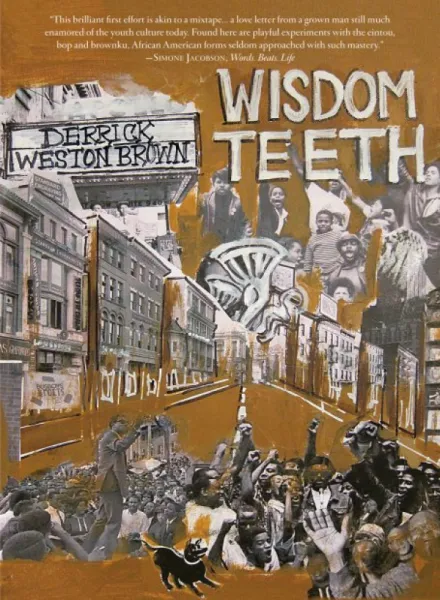
Wisdom Teeth
Poet Derrick Weston Brown channels hip-hop, Toni Morrison, and Snagglepuss to make way for the shudder and eruption of wisdom.
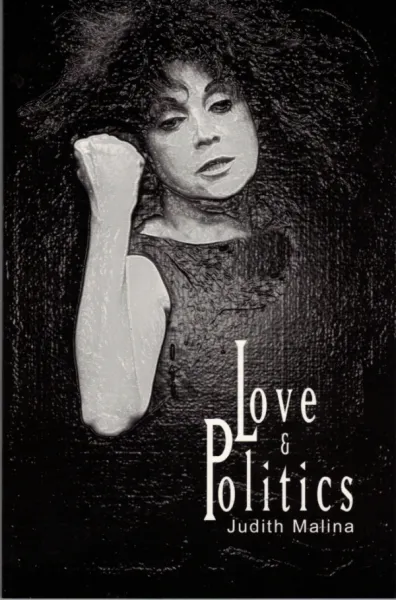
Love & Politics
In these poems Judith shares her anguish at injustices inflicted by bureaucratic authority and the rewards she found in love and collaboration.

Al-Mutanabbi Street Starts Here: Poets and Writers Respond to the March 5th, 2007, Bombing of Baghdad's "Street of the Booksellers"
This anthology begins with a historical introduction to al-Mutanabbi Street and includes the writing of Iraqis and international poets and writers who were outraged by the 2007, car bomb attack.
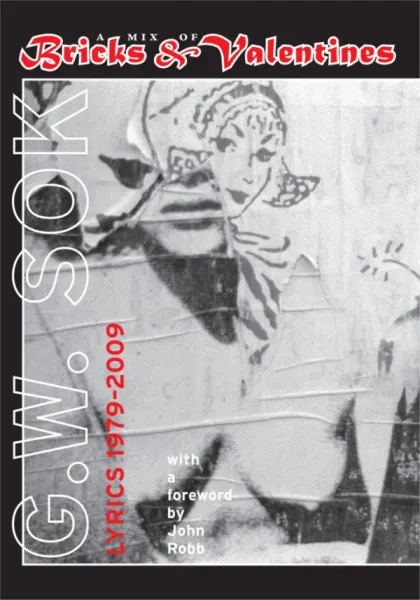
A Mix of Bricks & Valentines: Lyrics 1979-2009
With a foreword by John Robb, this book showcases the lyrics of G.W. Sok from The Ex.
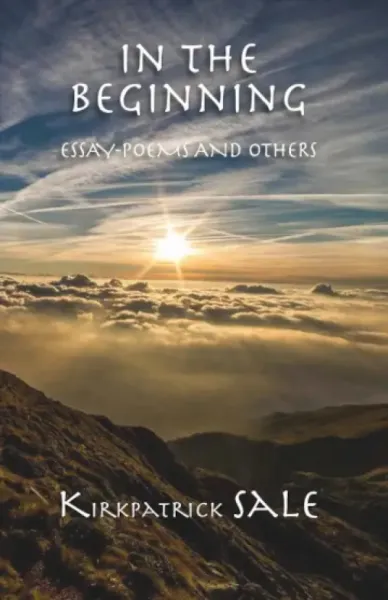
In The Beginning: Essay-Poems and Others
In this ground-breaking book, Kirkpatrick Sale, the author of sixteen previous books of prose, explores a new artform: the essay-poem.
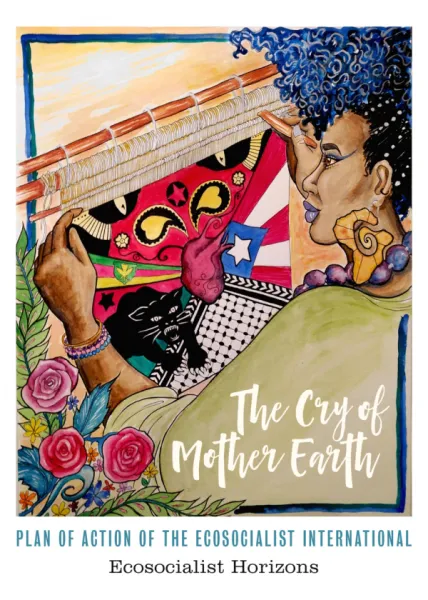
The Cry of Mother Earth: Plan of Action of the Ecosocialist International
This book combines two historic documents from the Ecosocialist International—a chorus of grief and praise for Mother Earth and a planetary program of revolutionary action.

The Strait: Obenabi’s Songs
Obenabi, the narrator, sings the story of his people confronting the European Invader into the Great Lakes region of North America.
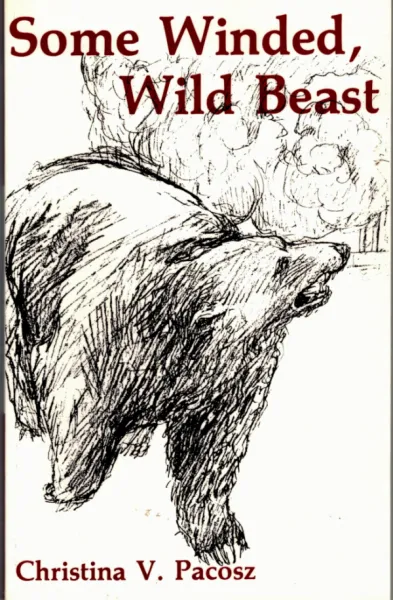
Some Winded, Wild Beast
A daughter of Polish parents, the poet examines her heritage of growing up in Detroit.
Recently Viewed
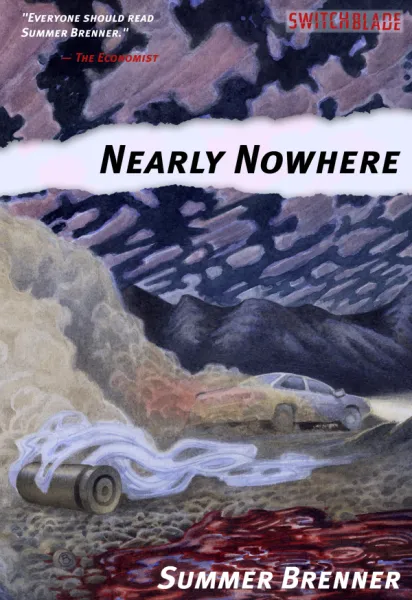
Nearly Nowhere
Written in prose as stark and beautiful as New Mexico's landscape where violence bursts in starts and fits like the summer monsoons.
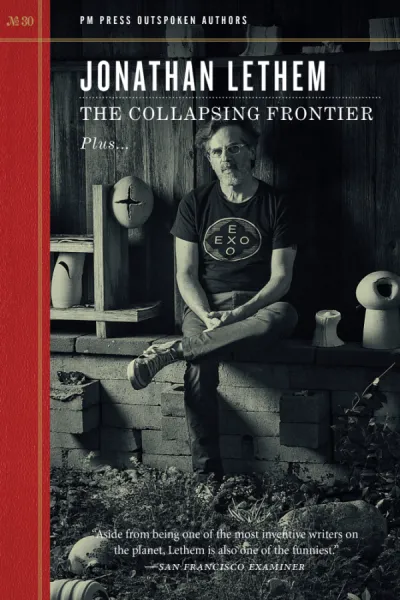
The Collapsing Frontier
This collection compiles Lethem's intensely personal takes on the most interesting and deplorable topics in post-postmodern America.