
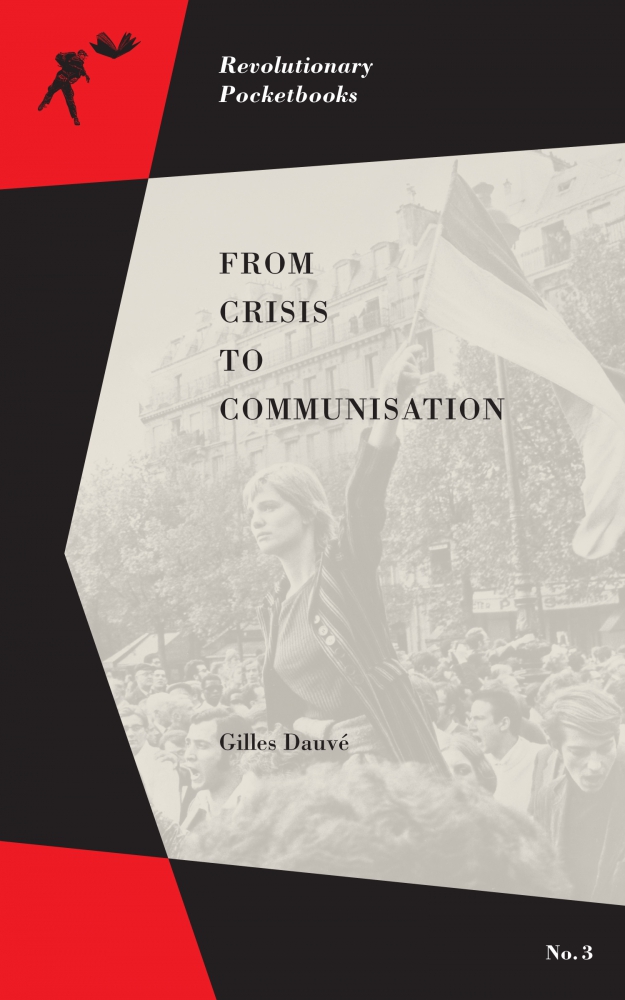
From Crisis to Communisation
Please select all options before adding to cart.
“Communisation” means something quite straightforward: a revolution that starts to change social relations immediately. It would extend over years, decades probably, but from Day One it would begin to do away with wage-labour, profit, productivity, private property, classes, States, masculine domination, and more. There would be no “transition period” in the Marxist sense, no period when the “associated producers” continue furthering economic growth to create the industrial foundations of a new world. Communisation means a creative insurrection that would bring about communism, not its preconditions.
Thus stated, it sounds simple enough. The questions are what, how, and by whom. That is what this book is about.
Communisation is not the be-all and end-all that solves everything and proves wrong all past critical theory. The concept was born out of a specific period, and we can fully understand it by going back to how people personally and collectively experienced the crises of the 1960s and ’70s. The notion is now developing in the maelstrom of a new crisis, deeper than the Depression of the 1930s, among other reasons because of its ecological dimension, a crisis that has the scope and magnitude of a crisis of civilisation.
This is not a book that glorifies existing struggles as if their present accumulation were enough to result in revolution. Radical theory is meaningful if it addresses the question: How can proletarian resistance to exploitation and dispossession achieve more than aggravate the crisis? How can it reshape the world?
Praise:
“Gilles Dauvé is well-known in certain circles for his radical ideas about the functioning of modern capitalist society. The author has had a significant influence on both libertarian communists and anarchists.”
—Iš rankų į rankas press (Lithuania)
About the Author:
Born in 1947, Gilles Dauvé has worked as a translator and a schoolteacher. He is the author of essays and books on the Russian, German, and Spanish revolutions, and on democracy, fascism, war, morals, crisis, and class. In English, his texts What Is Situationism? and Fascism/Anti-Fascism (both written under the pseudonym Jean Barrot) have led a legendary existence in the samizdat pamphlet underground.
See and hear author interviews, book reviews, and other news on Gilles Dauvé's page HERE
You May Also Like
Abolish Restaurants: A Worker's Critique of the Food Service Industry
A 60-page illustrated guide to the daily misery, stress, boredom, and alienation of restaurant work, as well as the ways in which restaurant workers fight against it.
The Debt Resisters' Operations Manual
The Debt Resisters' Operations Manual is a handbook for debtors everywhere to understand how this system really works, while providing practical tools for fighting debt in its most exploitative forms.
Abolish Work: "Abolish Restaurants" Plus "Work, Community, Politics, War"
This volume combines two pamphlets from the frontlines of the class war. The texts from these anonymous workers offer cutting-edge class analysis and critiques of daily life accompanied by uncensored, innovative illustrations.
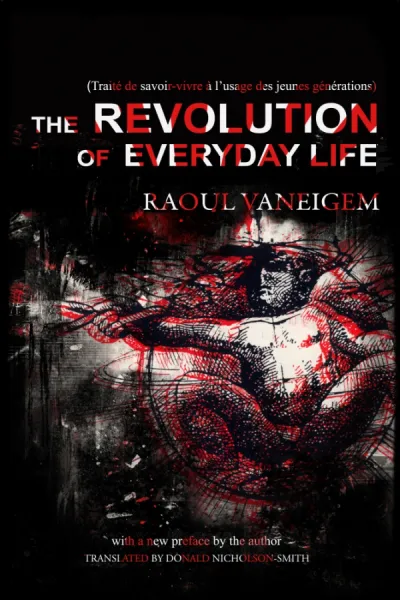
The Revolution of Everyday Life
This treatise offers a lyrical and aphoristic critique of the "society of the spectacle" from the point of view of individual experience.
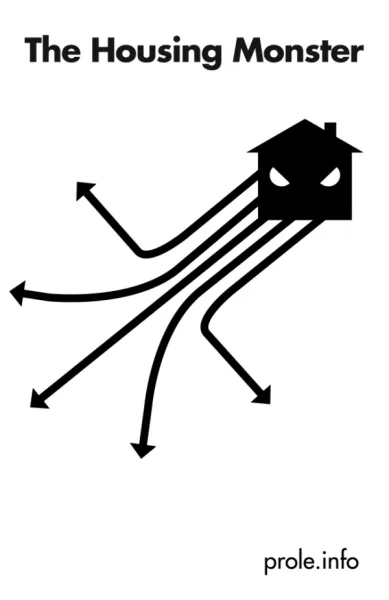
The Housing Monster
The Housing Monster is a scathing illustrated essay that takes one seemingly simple, everyday thing—a house—and looks at the social relations that surround it.
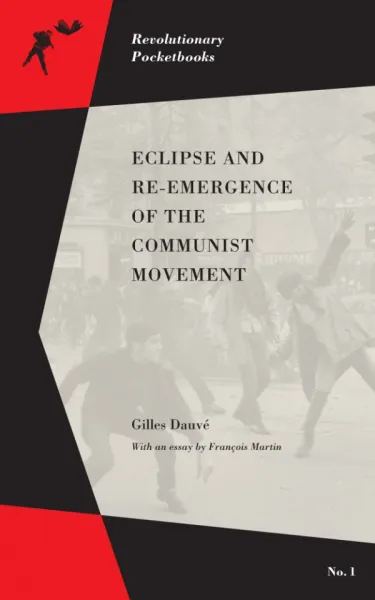
Eclipse and Re-emergence of the Communist Movement
Doing away with wage-labor, class, the State, and private property is possible, and can only be achieved by a historical break, it will not be a peaceful, gradual, piecemeal evolution.