Amazon Nation or Aryan Nation: White Women and The Coming Of Black Genocide
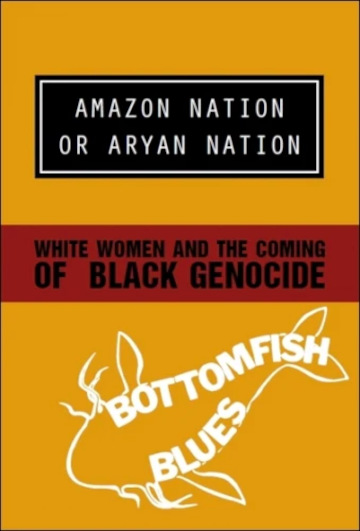
These angry essays show how the massive New Afrikan uprisings of the 1960s were answered by the white ruling class: with the destruction of New Afrikan communities coast to coast, the decimation of the New Afrikan working class, the rise of the prison state and an explosion of violence between oppressed people. Taken on their own, in isolation, these blights may seem to be just more "social issues" for NGOs to get grants for, but taken together and in the context of amerikkkan history, they constitute genocide.
“Kill the Kids First” is a long, bitter rant that factually traces what was happening at street level, in daily events, in New York City in the 1980s. This is important because New York was an early epicenter of the u.s. empire’s new Black Genocide strategy.
All the destructive trends that are now being so anxiously talked about in the 21st century, were first surfaced in New York City at that time. The mass incarceration of increasingly unemployed New Afrikans, young adult and child alike. The “stop and frisk” apartheid policing that justified itself by shrill alarms that any New Afrikans at all loose on the streets was the number one public emergency. As the relentless emptying out and gentrification of New Afrikan neighborhoods created mass homelessness, and entire communities started disappearing.
“Kill the Kids First” ties these developments to changes in global capitalism (neocolonialism, or what we would come to know as “neoliberalism”) and most especially to changes in gender relations and politics. Finding that white women’s “equality” actually means joining the patriarchy to do genocide.
The second essay, “Integration,” continues this focus on euro-women’s lives and political decisions. It documents in detail two stories from 1989, each in their own way revealing that “If you’re integrating two things then at least one thing has to go, has got to give way and disintegrate.” Through these struggles (and lack thereof), we see euro-settler women trying to work out and then having to fight out harshly between themselves what neo-colonialism is. In other words, finding that “integration” and “equality” in the age of neo-colonialism equals genocide.
These first two texts originally appeared in the underground Amazon newspaper Bottomfish Blues, in 1989 and 1990. In an Appendix, we have added a third piece from a different source, to put the present crisis in a true but seldom heard historical perspective. “The Ideas of Black Genocide in the Amerikkkan Mind” was first passed around (although not published) in 2009, as part of a collection of post-“Katrina” working papers on the New Afrikan crisis within the u.s. empire. Providing readers with the background of how the tantalizing idea of Black Genocide has always been present and publicly discussed throughout the U.S. empire’s life from the 1700s onward. It reminds us how the “new normal” of euro-capitalism is always being violently engineered in blueprints of blood and cash.
On their own or taken together, these texts provide raw and vital lessons as to the intersections of nation, gender, and class, from a revolutionary and non-academic perspective.
These angry essays show how the massive New Afrikan uprisings of the 1960s were answered by the white ruling class: with the destruction of New Afrikan communities coast to coast, the decimation of the New Afrikan working class, the rise of the prison state and an explosion of violence between oppressed people. Taken on their own, in isolation, these blights may seem to be just more "social issues" for NGOs to get grants for, but taken together and in the context of amerikkkan history, they constitute genocide.
“Kill the Kids First” is a long, bitter rant that factually traces what was happening at street level, in daily events, in New York City in the 1980s. This is important because New York was an early epicenter of the u.s. empire’s new Black Genocide strategy.
All the destructive trends that are now being so anxiously talked about in the 21st century, were first surfaced in New York City at that time. The mass incarceration of increasingly unemployed New Afrikans, young adult and child alike. The “stop and frisk” apartheid policing that justified itself by shrill alarms that any New Afrikans at all loose on the streets was the number one public emergency. As the relentless emptying out and gentrification of New Afrikan neighborhoods created mass homelessness, and entire communities started disappearing.
“Kill the Kids First” ties these developments to changes in global capitalism (neocolonialism, or what we would come to know as “neoliberalism”) and most especially to changes in gender relations and politics. Finding that white women’s “equality” actually means joining the patriarchy to do genocide.
The second essay, “Integration,” continues this focus on euro-women’s lives and political decisions. It documents in detail two stories from 1989, each in their own way revealing that “If you’re integrating two things then at least one thing has to go, has got to give way and disintegrate.” Through these struggles (and lack thereof), we see euro-settler women trying to work out and then having to fight out harshly between themselves what neo-colonialism is. In other words, finding that “integration” and “equality” in the age of neo-colonialism equals genocide.
These first two texts originally appeared in the underground Amazon newspaper Bottomfish Blues, in 1989 and 1990. In an Appendix, we have added a third piece from a different source, to put the present crisis in a true but seldom heard historical perspective. “The Ideas of Black Genocide in the Amerikkkan Mind” was first passed around (although not published) in 2009, as part of a collection of post-“Katrina” working papers on the New Afrikan crisis within the u.s. empire. Providing readers with the background of how the tantalizing idea of Black Genocide has always been present and publicly discussed throughout the u.s. empire’s life from the 1700s onward. It reminds us how the “new normal” of euro-capitalism is always being violently engineered in blueprints of blood and cash.
On their own or taken together, these texts provide raw and vital lessons as to the intersections of nation, gender, and class, from a revolutionary and non-academic perspective.
You May Also Like
A Soldier's Story: Revolutionary Writings by a New Afrikan Anarchist, Third Edition
Balagoon combined anarchism with Black nationalism, broke the rules of sexual and political conformity, and took up arms against the white-supremacist state.
Stand Up Struggle Forward: New Afrikan Revolutionary Writings On Nation, Class and Patriarchy
This collection includes several essays written from within the infamous Pelican Bay Security Housing Unit around the historic 2011 California prisoners’ hunger strike, and two interviews done just before and after his release.
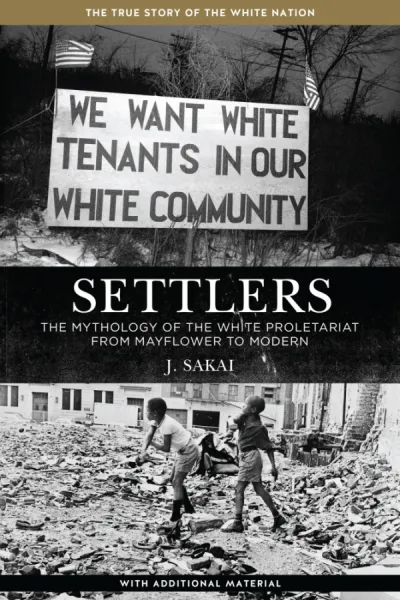
Settlers: The Mythology of the White Proletariat from Mayflower to Modern
Settlers uncovers the collaboration between capitalism and white workers and their organizations, as well as their neocolonial allies, showing how the U.S. was designed from the ground up as a parasitic and genocidal entity.
Race Traitor Journal
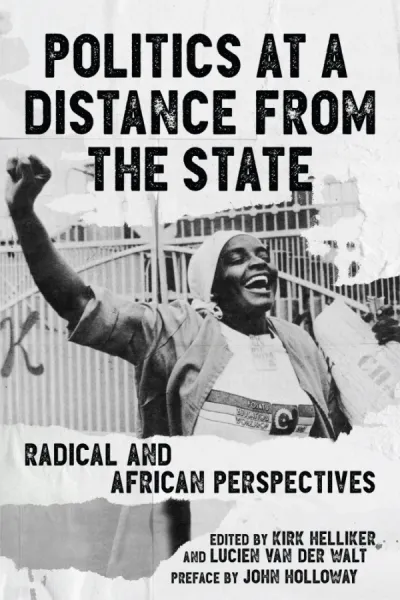
Politics at a Distance from the State: Radical and African Perspectives
This pathbreaking volume recovers this understanding of social transformation, long sidelined but now resurgent, like a seed in the soil that keeps breaking through and growing.
Hard Crackers Journal
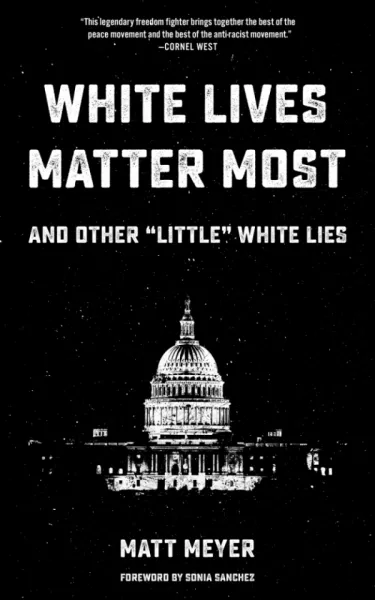
White Lives Matter Most: And Other "Little" White Lies
These essays reveal the successful strategies and methods used in recent campaigns to free Puerto Rican and Black Panther political prisoners, confront neo-Nazis in Charlottesville, and more.
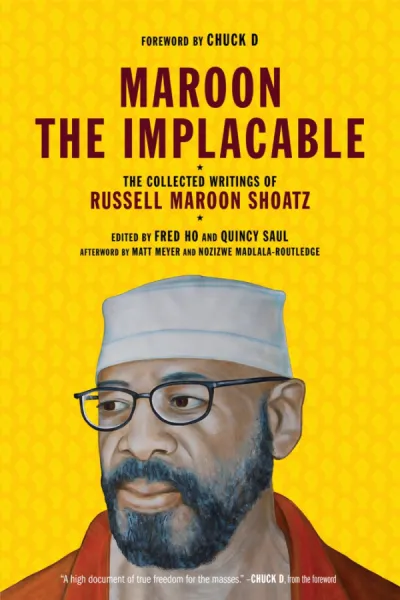
Maroon the Implacable: The Collected Writings of Russell Maroon Shoatz
This is the first published collection of Maroon's accumulated written works, and also includes new essays written expressly for this volume.
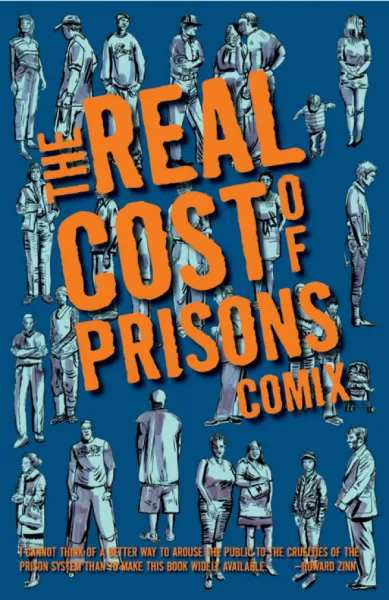
The Real Cost of Prisons Comix
One out of every hundred adults in the U.S. is in prison. This book provides a crash course in what drives mass incarceration, the human and community costs, and how to stop the numbers from going even higher.
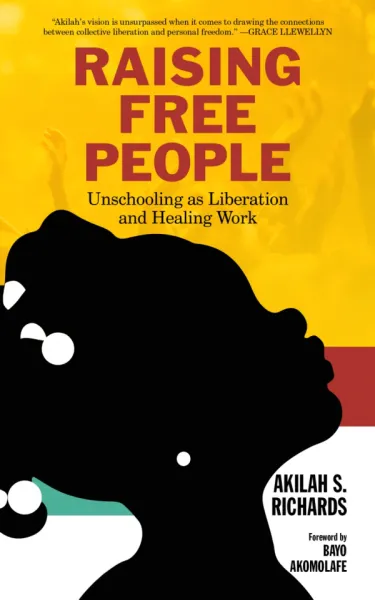
Raising Free People: Unschooling as Liberation and Healing Work
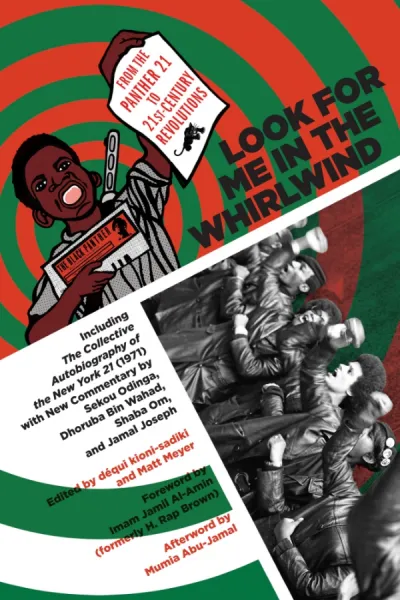
Look for Me in the Whirlwind: From the Panther 21 to 21st-Century Revolutions
The collective autobiography of the New York Panther 21.
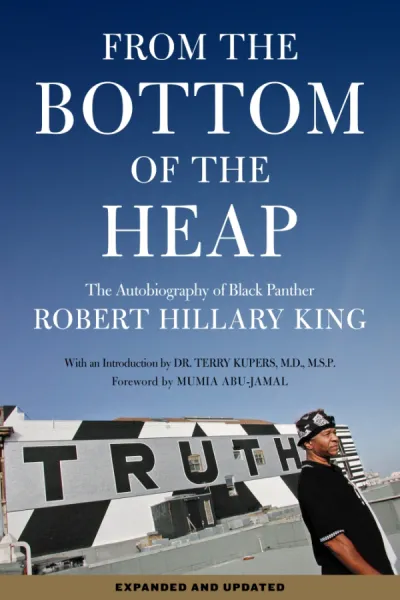
From the Bottom of the Heap: The Autobiography of Black Panther Robert Hillary King
This story is simply and humbly told, it strips bare the economic and social injustices inherent in our society, while continuing to be a powerful literary testimony to our own strength and capacity to overcome.
Recently Viewed
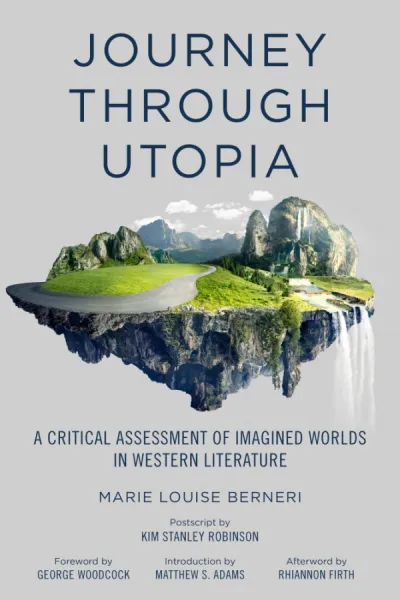
Journey Through Utopia: A Critical Examination of Imagined Worlds in Western Literature
A richly detailed and critically compelling examination of utopian literature, beginning with Plato’s Republic and continuing through to Huxley’s Brave New World.
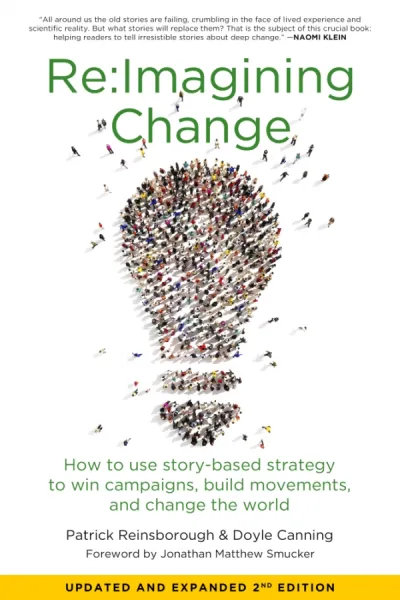
Re:Imagining Change: How to Use Story-Based Strategy to Win Campaigns, Build Movements, and Change the World, 2nd Edition
Re:Imagining Change is an inspirational inside look at the trailblazing methodology developed by the Center for Story-based Strategy over fifteen years of their movement building partnerships.
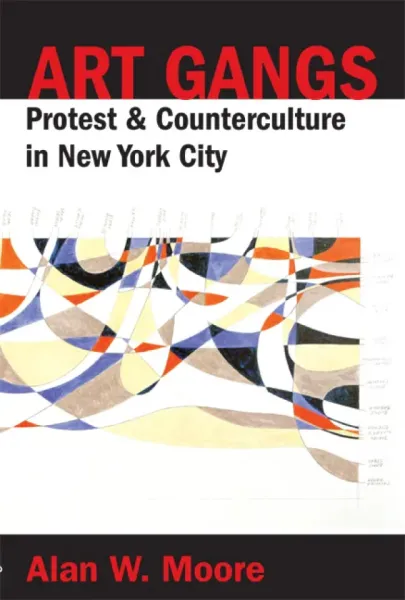
Art Gangs: Protest and Counterculture in New York City
Art Gangs explores the work of artists’ groups in New York City after 1968, and the collectives that built the postmodern art world.